Introduction
Finding a reliable manufacturer is an important step for businesses that purchase clothing packaging in large quantities. Whether you operate a clothing brand, retail store, dry cleaning business, garment factory, or wholesale distribution company, choosing the right supplier can affect product quality, purchasing costs, delivery schedules, and customer satisfaction.
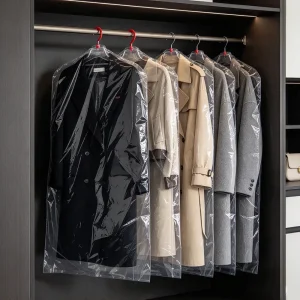
Clear plastic garment bags are widely used to protect clothing from dust, moisture, handling, and contamination during storage, transportation, and retail display. Their transparent appearance also allows customers and warehouse staff to identify garments without opening the packaging.
However, not every manufacturer offers the same level of quality, customization, production capacity, and customer service. Before placing a bulk order, buyers should evaluate several important factors, including material selection, manufacturing capabilities, quality control, pricing, and delivery reliability.
This guide explains how to identify a dependable supplier and make a more informed purchasing decision.
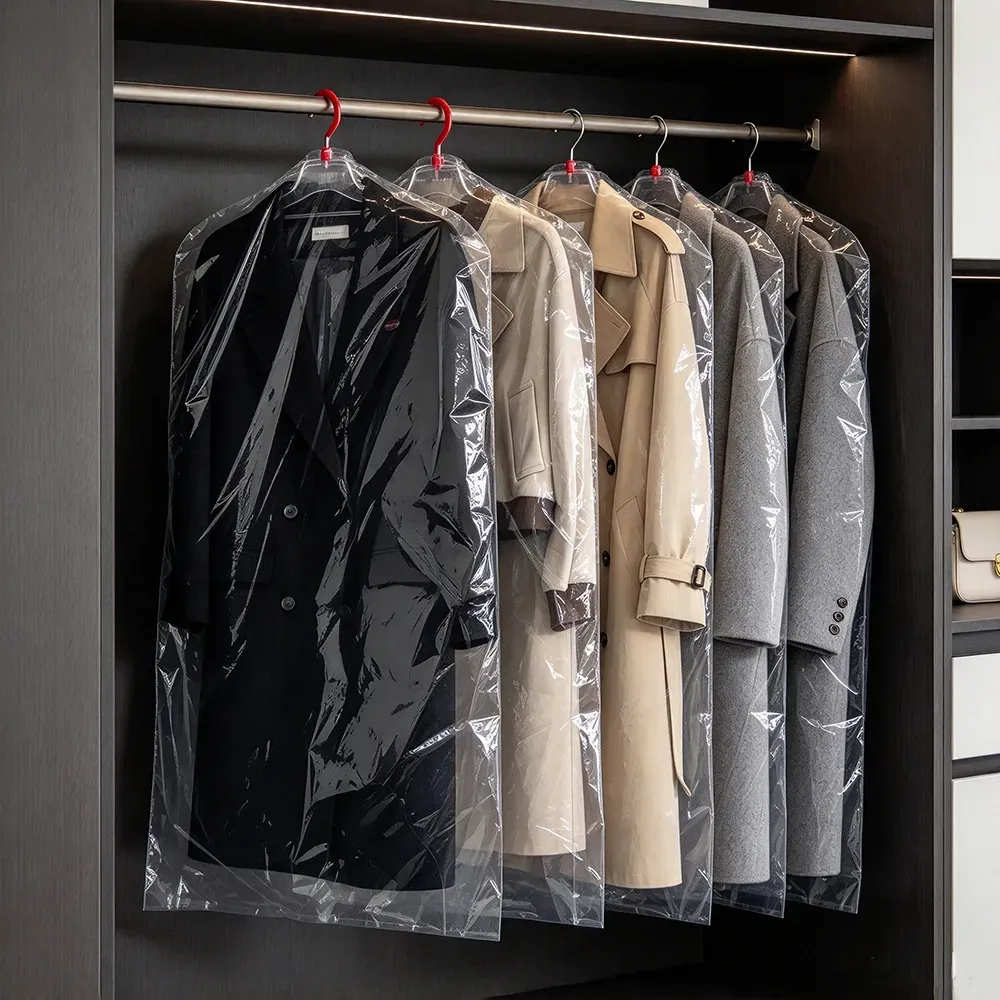
1. Understand Your Clear Plastic Garment Bags Requirements
Before contacting manufacturers, define your packaging requirements. Clear specifications help suppliers provide accurate quotations and reduce the risk of misunderstandings during production.
Identify the Intended Application
Different businesses require different types of garment packaging. For example:
- Clothing manufacturers may need protective bags for finished garments before shipment.
- Retail stores may prefer transparent packaging for displaying and organizing clothing.
- Dry cleaners may require long garment covers for suits, dresses, shirts, and coats.
- E-commerce sellers may need lightweight packaging that protects clothing during delivery.
- Wholesale distributors may prioritize consistent specifications and competitive bulk pricing.
Understanding your application helps determine the appropriate bag design, dimensions, thickness, and packaging method.
Determine the Required Specifications
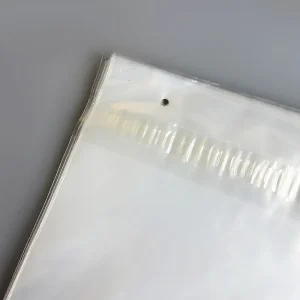
Prepare a list of essential requirements before requesting quotations. Consider bag width, length, thickness, opening style, bottom seal, hanger hole, and quantity per carton.
For example, a garment factory shipping long dresses may require longer bags with hanger openings, while a clothing retailer selling folded T-shirts may prefer compact, flat bags.
Clear specifications make it easier to compare offers from different clear plastic garment bags manufacturers on an equal basis.
2. Evaluate the Manufacturer’s Production Capabilities
A reliable supplier should have the equipment, technical knowledge, and production capacity needed to fulfill your order consistently.
Check Manufacturing Experience
Ask how long the manufacturer has produced plastic packaging and whether it regularly supplies garment packaging to international customers.
Experience with similar products can help a supplier recommend suitable materials, improve bag dimensions, and avoid common production problems. However, years in business alone do not guarantee reliability. Buyers should also examine product samples, quality documentation, and production processes.
Confirm Factory and Equipment Capabilities
When evaluating clear plastic garment bags manufacturers, ask about their main production processes, such as film extrusion, bag making, cutting, sealing, punching, and printing, where applicable.
A manufacturer with appropriate equipment may offer better control over dimensions, sealing quality, and production scheduling. If some processes are outsourced, clarify which stages are performed in-house and how quality is monitored.
You can also request factory photographs, production videos, or a virtual factory tour. For large or long-term orders, an on-site inspection may provide additional confidence.
Assess Bulk Production Capacity
A supplier should be able to manufacture your required quantity within the agreed lead time. Ask about normal production capacity, current workload, peak-season arrangements, and procedures for handling urgent orders.
For recurring purchases, discuss whether the manufacturer can maintain the same specifications across multiple production batches.
3. Compare Materials and Product Quality
Material selection directly affects the performance, appearance, and cost of garment packaging.
Understand Common Plastic Materials
Clear garment packaging is commonly manufactured using polyethylene materials, particularly low-density polyethylene (LDPE) and linear low-density polyethylene (LLDPE). The appropriate choice depends on the required flexibility, strength, clarity, and intended use.
- LDPE: Offers flexibility, a smooth feel, and good transparency in suitable formulations.
- LLDPE: Can provide improved puncture resistance and toughness, depending on the formulation and film structure.
- Recycled polyethylene: May help meet recycled-content objectives, provided the material is suitable for the intended application and the relevant requirements are verified.
Not every application requires the same material. Buyers should discuss the expected performance with the supplier instead of selecting a material based on price alone.
Check Thickness and Durability
The appropriate thickness depends on garment weight, bag dimensions, handling conditions, and transportation requirements.
A bag that is too thin may tear easily, while an unnecessarily thick bag can increase material consumption and shipping costs. Ask the manufacturer to recommend a suitable thickness based on your application.
During sample evaluation, check whether the bag has consistent thickness, smooth edges, reliable seals, and sufficient strength for normal handling.
Evaluate Transparency and Appearance
For retail packaging, clear appearance is often an important purchasing requirement. Inspect samples for haze, uneven film, excessive wrinkles, contamination, and other visible defects.
If the packaging will be used for branded garments, consistency between batches is particularly important because differences in clarity or dimensions may affect the overall presentation.
4. Review Customization Options
A capable manufacturer should be able to explain which customization options are available and how they affect production costs.
Choose the Right Bag Design
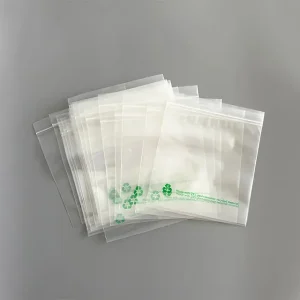
Depending on your requirements, custom clear plastic garment bags may include flat bags, gusseted bags, long garment covers, hanger-hole bags, or other designs suitable for specific clothing products.
Confirm the opening position, bottom construction, hanger opening, and any additional features before approving production.
Discuss Printing and Branding
Some clothing businesses require printed logos, handling instructions, product information, or other packaging details.
Ask whether the manufacturer offers custom printing and confirm the available colors, printing area, artwork requirements, and minimum order quantity. Request a digital proof or physical sample when appropriate.
For completely transparent packaging, printing may not be necessary. A simple design can reduce production complexity and keep packaging costs under control.
Confirm Artwork and Sample Approval
Before mass production, approve the final specifications and any required artwork. A written specification sheet should include dimensions, thickness, material, printing details, tolerances, and packing requirements.
This document helps both parties avoid disputes and provides a reference for future orders.
5. Compare Bulk Pricing and Minimum Order Quantities
Price is an important factor when sourcing clear plastic garment bags, but the lowest quotation does not always represent the best value.
Understand What the Quotation Includes
Ask suppliers to provide a detailed quotation covering:
- Unit price and currency
- Bag dimensions and thickness
- Material type and printing costs
- Minimum order quantity (MOQ)
- Sample and setup charges, if applicable
- Packaging and carton specifications
- Production lead time
- Shipping terms and any excluded costs
Comparing quotations with identical specifications helps you understand the actual cost differences.
Evaluate Quantity-Based Discounts
Manufacturers may offer different unit prices for different order quantities because material purchasing, machine setup, and production efficiency affect costs.
For example, a larger order may reduce the unit cost but increase inventory expenses and storage requirements. Buyers should compare the savings against their actual consumption and available warehouse space.
For regular purchases, discuss forecast-based production or scheduled repeat orders. This approach may help balance unit costs with inventory management.
Calculate the Total Cost of Ownership
The purchasing decision should consider more than the factory price. Include freight, import duties where applicable, packaging, storage, quality inspection, and potential losses caused by defective products.
A slightly higher-priced supplier may provide better value if it delivers consistent quality and reduces production delays or packaging failures.
6. Verify Quality Control Procedures
Quality control is essential when ordering large quantities. Small inconsistencies can become significant problems when thousands of bags are produced.
Ask About Inspection Standards
A professional supplier should be able to explain its inspection process. Depending on the product, this may include checking:
- Bag length and width
- Film thickness and appearance
- Seal strength and seal consistency
- Hanger-hole position and dimensions
- Printing accuracy, if applicable
- Packaging quantity and carton condition
Ask how defects are recorded and what corrective actions are taken when products fail inspection.
Request Samples Before Bulk Production
Samples allow buyers to assess the actual product before committing to a large order. Test the bags using representative garments and normal handling conditions.
Check whether the garment fits comfortably, the opening is practical, and the bag remains intact during storage and handling.
For repeat orders, retain an approved reference sample or specification record so future production can be compared against the original requirements.
Consider Third-Party Inspection
For high-value orders or new suppliers, an independent inspection may be worthwhile. Agree on the inspection scope, sampling method, acceptance criteria, and inspection timing before production begins.
Third-party inspection does not replace supplier quality control, but it can provide an additional layer of verification.
7. Check Export Experience and Delivery Reliability
For international buyers, dependable communication and shipping coordination are just as important as manufacturing quality.
Verify Export Experience
Ask whether the supplier has experience shipping to your destination market and whether it understands your documentation requirements.
Depending on the transaction, relevant documents may include a commercial invoice, packing list, bill of lading, and other documents required by the buyer, carrier, or importing country.
If your business has specific material or environmental compliance requirements, request supporting documentation and confirm that it applies to the actual product being supplied.
Confirm Lead Time and Shipping Terms
Clarify the production lead time, shipment schedule, packing method, and agreed Incoterms. For example, FOB and CIF allocate certain costs and responsibilities differently, so buyers should understand the agreed terms before comparing quotations.
Also ask how the manufacturer communicates production updates and handles delays, shortages, or shipping-related problems.
A reliable supplier should provide realistic delivery commitments rather than promising a deadline it cannot reasonably meet.
8. Evaluate Communication and After-Sales Support
Good communication helps prevent errors throughout the purchasing process.
When contacting potential manufacturers, observe how clearly they answer technical questions, explain material choices, and respond to quotation requests.
A dependable supplier should be willing to clarify specifications, provide relevant product information, and discuss practical solutions when requirements change.
Before placing an order, confirm the process for reporting defects, requesting replacements, resolving quantity discrepancies, and handling future repeat orders.
For long-term cooperation, consistent communication can be just as valuable as a competitive unit price.
9. Watch for Warning Signs When Selecting a Supplier
Buyers should be cautious when a supplier displays one or more of the following warning signs:
- Prices are significantly lower than comparable quotations without a clear explanation.
- Product specifications remain vague after repeated questions.
- The supplier refuses reasonable sample requests or verification.
- Production capacity and delivery dates cannot be clearly explained.
- Payment terms or company information are inconsistent.
- Quality complaints are dismissed without a documented resolution process.
These signs do not automatically prove that a supplier is unreliable, but they indicate that further verification may be necessary.
For a first order, consider starting with a manageable quantity after confirming the manufacturer’s capabilities and agreeing on written specifications.
10. Why Work Directly with a Clear Plastic Garment Bags Manufacturer?
Working directly with a manufacturer can give buyers more control over product specifications, customization, and production communication.
Compared with purchasing through multiple intermediaries, factory-direct sourcing may offer clearer information about manufacturing costs, lead times, and available production options.
However, direct sourcing is beneficial only when the manufacturer has suitable capabilities and dependable quality management. Buyers should verify the supplier rather than assuming that every factory offers lower prices or better service.
For businesses that purchase clear plastic garment bags regularly, a stable manufacturing relationship can simplify repeat orders, improve specification consistency, and support long-term cost planning.
Frequently Asked Questions
What should I ask a clear plastic garment bags manufacturer before placing an order?
Ask about material, dimensions, thickness, bag design, MOQ, unit pricing, sample availability, production capacity, lead time, quality inspection, and shipping terms. Request written specifications before approving mass production.
What is the typical MOQ for clear plastic garment bags?
MOQ varies by manufacturer, bag dimensions, thickness, printing requirements, and production method. Standard unprinted bags may have different minimum quantities from custom-printed products. Request a quotation based on your exact requirements.
Can I order custom sizes and thicknesses?
Many manufacturers offer customized dimensions and thicknesses, subject to their equipment and production capabilities. Confirm the available specifications and whether customization affects tooling, setup charges, or MOQ.
How can I ensure consistent quality across repeat orders?
Maintain an approved sample and written product specification. Confirm material, dimensions, thickness, sealing requirements, and inspection criteria for every order. For larger shipments, consider an agreed quality inspection process.
How long does bulk production take?
Lead time depends on order quantity, product complexity, material availability, printing requirements, and the manufacturer’s production schedule. Ask for a written estimate before confirming the purchase order.
Conclusion
Finding a reliable clear plastic garment bags manufacturer requires careful evaluation of product quality, production capacity, customization options, pricing, and export experience.
Rather than selecting a supplier based solely on the lowest price, compare quotations using consistent specifications, request samples, verify quality control procedures, and establish clear delivery and communication requirements.
For clothing brands, retailers, garment factories, and wholesale distributors, a dependable manufacturing partner can help maintain packaging consistency, control purchasing costs, and reduce supply-chain risks.
Before placing your next bulk order, prepare a detailed specification sheet and request quotations from qualified manufacturers. This practical approach will help you identify a supplier that matches your quality expectations, budget, and long-term business needs.