Product Overview
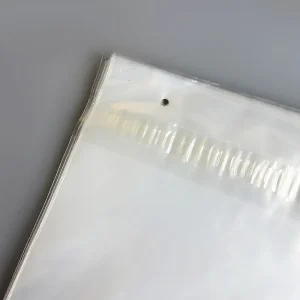
Biodegradable bread bags are designed for bakeries, bread manufacturers, supermarkets, food distributors, and packaging brands looking for packaging solutions with reduced environmental impact. Depending on the material formulation, these bags can be designed to protect bread from dust, handling contamination, moisture loss, and external exposure while supporting different bakery packaging requirements.
As demand for sustainable food packaging grows, businesses are exploring alternatives to conventional plastic bread bags. Biodegradable bread bags can be manufactured using selected biodegradable polymers, bio-based materials, or blends formulated to meet specific packaging requirements. Available options may include clear bags, printed bags, flat bags, gusseted bags, and custom-sized packaging.
For commercial buyers, selecting the right bag requires more than evaluating its environmental claims. Bread freshness, moisture management, bag strength, sealing performance, food-contact compliance, and total packaging cost should also be considered.
As a professional packaging supplier, we can customize biodegradable bread bags according to material specifications, bag dimensions, thickness, printing requirements, and order quantities. Buyers should confirm the intended disposal environment and relevant certifications before choosing a suitable product.
Key Takeaways
- Eco-conscious packaging: Explore materials designed to biodegrade under specified conditions.
- Food packaging protection: Help protect bread from dust, handling contamination, and external exposure.
- Custom manufacturing: Choose bag sizes, thicknesses, shapes, and printing options to suit different bread products.
- Flexible applications: Suitable for selected bakery products, including sandwich bread, rolls, buns, and specialty loaves.
- Material selection: Compare biodegradable polymers, bio-based plastics, and certified compostable materials.
- Freshness considerations: Match bag breathability and moisture resistance to the type of bread being packaged.
- Wholesale supply: Custom production can support bakeries, distributors, retailers, and packaging wholesalers.
- Responsible disposal: Follow the product’s certification, labeling, and local waste-management requirements.
Biodegradable Bread Bags: Context and History
Traditional plastic bread bags have long been used in commercial bakeries because they are lightweight, flexible, economical, and effective at protecting baked goods during distribution. Materials such as low-density polyethylene (LDPE) are widely used for bread packaging because they can provide good moisture resistance and transparency.
However, growing concerns about plastic waste and resource consumption have encouraged food manufacturers to investigate alternative packaging materials. This has contributed to the development of biodegradable polymers, bio-based plastics, and compostable packaging solutions.
Early alternatives to conventional plastics often faced challenges involving cost, strength, processing stability, and moisture resistance. Improvements in material formulation and film manufacturing have expanded the range of potential applications, although performance still varies significantly between products.
Today, biodegradable bread bags are part of a broader movement toward more sustainable food packaging. Their suitability depends on the type of bread, expected shelf life, distribution conditions, material composition, and available waste-management infrastructure.
For businesses purchasing these bags, it is important to distinguish between materials that are bio-based, biodegradable, and compostable. These terms describe different properties and should not be treated as interchangeable.
What Are Biodegradable Bread Bags?
Biodegradable bread bags are packaging bags made from materials that can be broken down by microorganisms under suitable environmental conditions. The speed and extent of biodegradation depend on the material formulation, temperature, moisture, oxygen availability, microbial activity, and disposal environment.
Unlike conventional plastic bags that may persist in the environment for long periods, properly tested biodegradable materials are designed to undergo biological degradation under specified conditions. However, a biodegradable product does not necessarily break down quickly in every environment, including ordinary soil, seawater, or household waste.
Commercial biodegradable bread bags may be produced using biodegradable polymers such as polylactic acid (PLA), polybutylene adipate terephthalate (PBAT), or other suitable material blends. Some formulations may also incorporate starch-based components.
Not every biodegradable material is suitable for every bread product. Manufacturers must balance environmental performance with flexibility, transparency, sealing properties, mechanical strength, and food-contact safety.
When purchasing biodegradable bread bags, buyers should request technical data sheets, applicable certification documents, and information about the recommended disposal conditions. These documents help determine whether a product is appropriate for the intended packaging application.
The Importance of Biodegradable Bread Bags in Food Packaging
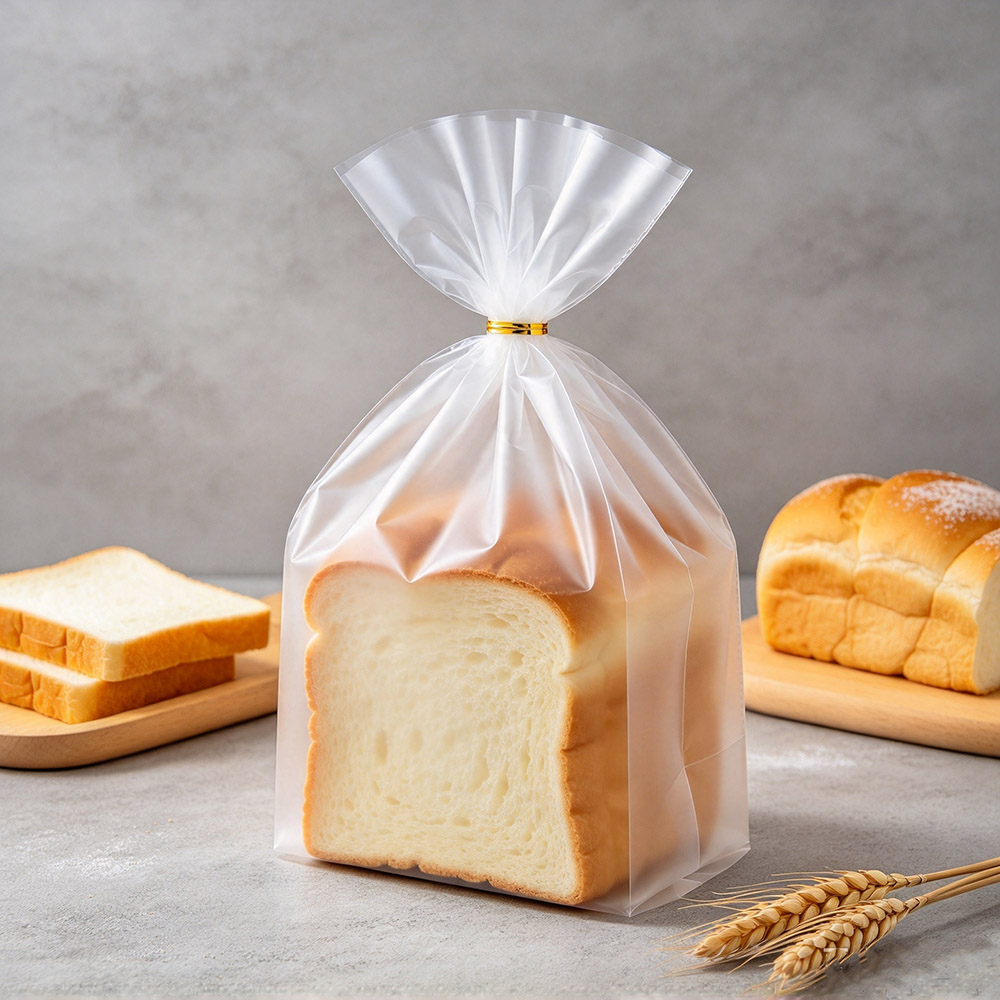
Food packaging protects products during production, storage, transportation, and retail display. For bread manufacturers, packaging must help maintain product quality while meeting hygiene, operational, and commercial requirements.
Biodegradable bread bags can support sustainability initiatives when their material properties, manufacturing processes, and end-of-life conditions are properly matched to the application.
First, suitable bags help reduce direct exposure to dust and handling contamination after baking. They can also help limit moisture loss, which is important for maintaining the texture of soft bread.
Second, packaging plays a role in reducing food waste. Bread that becomes stale or damaged before sale may need to be discarded. Selecting an appropriate bag can help preserve quality for the intended distribution period, although packaging alone cannot prevent mold growth or guarantee a longer shelf life.
Third, businesses can use biodegradable packaging as part of a wider environmental strategy. This may involve evaluating material sourcing, packaging weight, transport efficiency, recyclability, compostability, and local waste-management options.
Before switching from conventional plastic to biodegradable bread bags, manufacturers should conduct product trials. These trials help confirm whether the alternative packaging provides suitable protection without creating additional food waste or operational problems.
Biodegradable Bread Bags vs. OPP Bread Bags
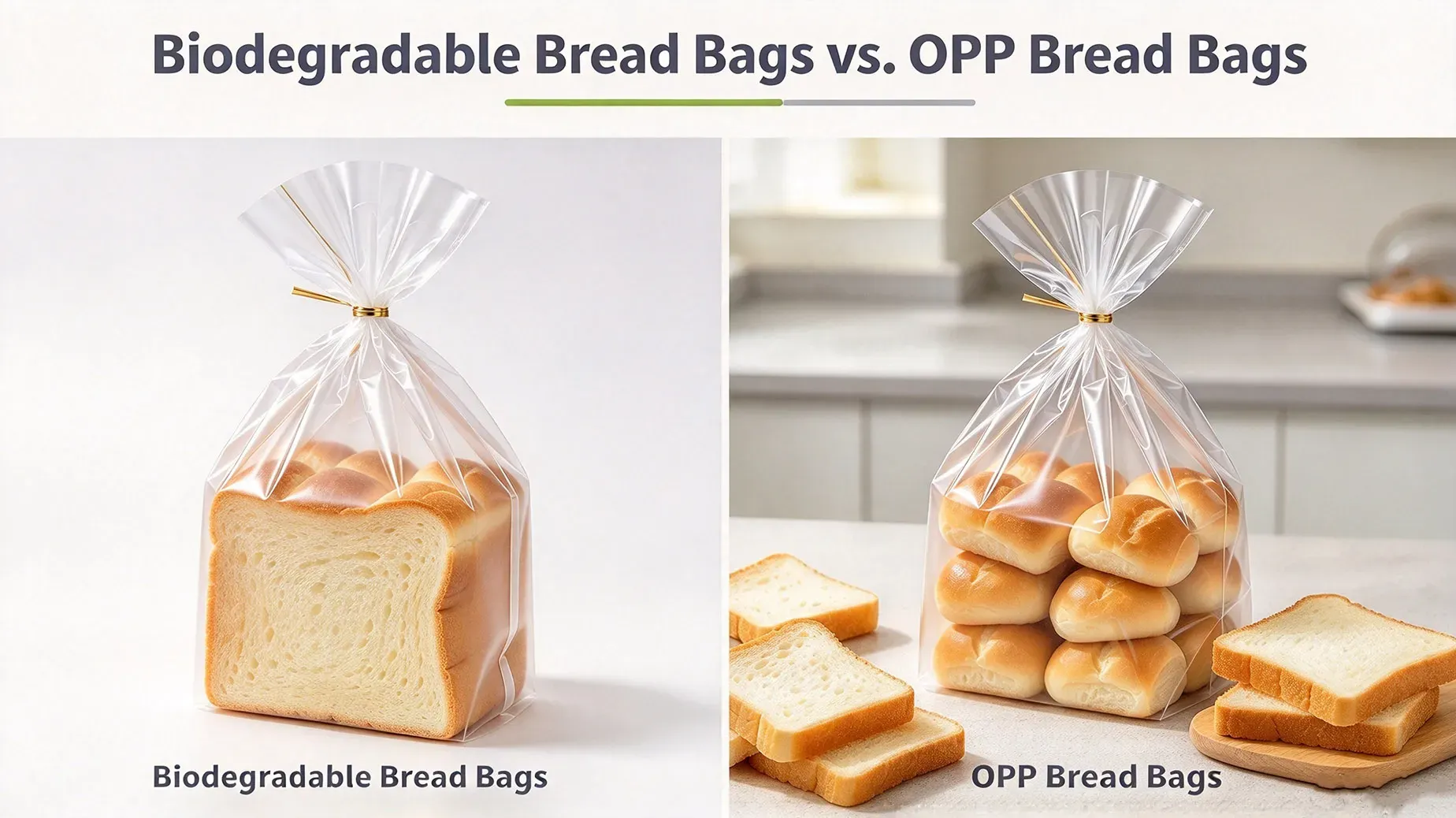
Biodegradable bread bags are designed to break down under specific environmental conditions, making them an option for bakeries seeking alternative packaging materials. OPP bread bags are made from oriented polypropylene and offer excellent transparency, a glossy appearance, and good moisture resistance. Biodegradable bags may be preferable for sustainability-focused brands, while OPP bags are often more economical for conventional bakery packaging. The best choice depends on product freshness requirements, budget, and disposal options.
| Feature | Biodegradable Bread Bags | OPP Bread Bags |
|---|---|---|
| Material | Biodegradable polymer blends | Oriented polypropylene |
| Transparency | Varies by material | High clarity and glossy finish |
| Moisture Resistance | Depends on formulation | Generally good |
| Environmental Impact | Designed to biodegrade under specified conditions | Conventional plastic; recycling depends on local facilities |
| Cost | May be higher | Often more cost-effective |
| Best For | Sustainability-focused bakeries | Retail bread packaging and cost-conscious buyers |
Using Biodegradable Bread Bags for Storage and Packaging
Biodegradable bread bags can be used for various bakery packaging applications, provided the selected material is suitable for the product and storage conditions.
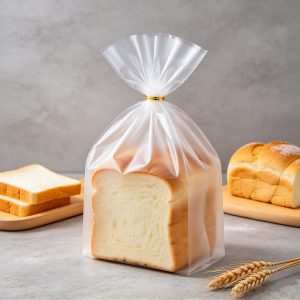
For sliced sandwich bread, a flexible bag with appropriate moisture resistance can help reduce drying during storage and distribution. A suitable closure may also help maintain product quality after opening.
For bread rolls and buns, bag dimensions should accommodate the product without excessive compression. Packaging that is too tight may damage the bread, while an oversized bag can increase material consumption and storage space.
For crusty artisan loaves, excessive moisture retention may soften the crust. Depending on the bread type and desired texture, a more breathable packaging structure may be preferable.
For frozen bread products, buyers should confirm low-temperature flexibility, seal performance, and resistance to cracking. Not every biodegradable film is suitable for freezer storage.
When using biodegradable bread bags, bakeries should evaluate the entire packaging system, including the bread’s moisture content, cooling time, expected shelf life, transport conditions, and sealing method. Bread should generally be cooled appropriately before bagging to reduce condensation and avoid unnecessary moisture buildup.
Packaging trials under real distribution conditions can help determine whether the chosen material performs as expected.
Composition: Biodegradable and Bio-Based Materials
The composition of biodegradable bread bags varies according to the required packaging performance and environmental specifications.
Biodegradable polymers are selected for their ability to undergo biological degradation under specified conditions. Examples include certain PLA and PBAT formulations and other polymers developed for biodegradable applications.
Bio-based materials are derived partly or entirely from renewable biological resources, such as plants. However, bio-based origin does not automatically mean that a material is biodegradable or compostable.
Starch-based materials may be incorporated into some packaging formulations to achieve particular material properties. Other blends combine different polymers to balance flexibility, strength, processability, and degradation characteristics.
For bread packaging, manufacturers must also consider food-contact suitability. A material intended for direct food contact should comply with the relevant requirements in the destination market and be supported by appropriate documentation.
When evaluating biodegradable bread bags, buyers should review the complete material formulation rather than relying only on a general environmental description. The finished bag’s properties, inks, additives, and other components may affect its performance and applicable certifications.
Common Materials Used in Biodegradable Bread Bags
Several material categories may be considered when developing biodegradable bread packaging.
1. Polylactic Acid (PLA)
PLA is a polymer commonly produced from fermented plant-derived sugars or starches. It can provide transparency and stiffness in suitable formulations. However, its flexibility, heat resistance, and sealing performance depend on the product design and any blended materials.
2. PBAT-Based Blends
PBAT is a biodegradable polymer often used in flexible film formulations. It can contribute flexibility and toughness when combined with compatible materials. The environmental properties of the finished bag depend on the complete formulation and applicable testing.
3. Starch-Based Blends
Starch-based formulations may use plant-derived starch alongside other polymers or additives. Their performance varies depending on the formulation, and moisture sensitivity should be considered when selecting them for bakery packaging.
4. Other Biodegradable Polymer Blends
Manufacturers may use additional biodegradable polymers or tailored blends to meet requirements for flexibility, sealing, strength, and film processing. Each formulation should be evaluated based on its technical specifications and certification status.
5. Bio-Based Plastic Materials
Bio-based plastics can help reduce reliance on fossil-based feedstocks, but they are not necessarily biodegradable. Buyers should verify both the renewable content and the end-of-life properties if these are important purchasing criteria.
The most suitable material for biodegradable bread bags depends on the product type, packaging machinery, target shelf life, budget, and disposal arrangements.
Characteristics of Biodegradable Bread Bags
The characteristics of biodegradable bread bags depend on their material composition, thickness, manufacturing method, and intended use.
- Flexibility: Suitable formulations can accommodate different bread shapes and packaging requirements.
- Moisture resistance: Helps limit moisture loss when the material provides an appropriate barrier.
- Transparency: Selected films allow customers to see the bread inside.
- Printability: Compatible materials can support branding, product information, and handling instructions.
- Sealability: Suitable film structures can be designed for heat sealing or other compatible closure methods.
- Mechanical strength: Film thickness and formulation affect resistance to tearing, stretching, and handling damage.
- Customization: Bags can be produced in different sizes, formats, and printing designs.
- Environmental performance: Biodegradation or compostability depends on the verified formulation and specified conditions.
Not all biodegradable bread bags offer the same barrier performance as conventional polyethylene bags. Buyers should test the selected product against their operational requirements before placing a large order.
Advantages of Biodegradable Bread Bags
Choosing biodegradable bread bags can offer several potential advantages for food businesses.
1. Supports Sustainability Initiatives
Suitable biodegradable materials can help businesses explore alternatives to conventional plastic packaging. The overall environmental benefit depends on sourcing, production, transportation, use, and end-of-life management.
2. Provides Flexible Packaging Options
Different bag formats can be developed for sandwich bread, buns, rolls, specialty loaves, and selected bakery products.
3. Supports Brand Positioning
Businesses seeking to communicate their packaging choices may use appropriate material information and verified environmental claims on product packaging.
4. Offers Custom Printing
Depending on the film and printing process, manufacturers can add logos, product details, brand colors, and required labeling information.
5. Supports Wholesale Customization
Commercial buyers can request specific dimensions, thicknesses, bag styles, and order quantities to match their production and distribution systems.
6. Can Fit into a Wider Waste-Reduction Strategy
When the packaging is suitable for the intended disposal route, it may form part of a broader program focused on reducing packaging waste and improving resource efficiency.
However, biodegradable bread bags are not automatically better in every situation. Businesses should compare their full environmental impact, food-protection performance, total cost, and actual disposal options before changing packaging materials.
Application Scenarios for Biodegradable Bread Bags
Biodegradable bread bags can serve different bakery and food distribution applications when the selected material meets the necessary requirements.
- Commercial Bakeries: Packaging for freshly baked bread, rolls, and buns.
- Industrial Bread Manufacturers: High-volume packaging for sliced bread and packaged bakery products.
- Supermarkets and Grocery Stores: Packaging for selected in-store bakery products and prepacked bread.
- Artisan Bakeries: Custom-sized bags for specialty loaves, sourdough bread, and selected baked goods.
- Food Distributors: Packaging for bread products transported between manufacturing facilities, warehouses, and retailers.
- Private-Label Brands: Customized packaging featuring brand logos and product information.
- Bakery Packaging Wholesalers: Bulk supply of standardized or customized bags for commercial customers.
The required bag design varies by application. For example, sliced bread may need moisture retention, while crusty loaves may require greater ventilation. Frozen bread needs suitable low-temperature performance, and products with longer distribution periods may require additional shelf-life testing.
Before selecting biodegradable bread bags for any application, buyers should define the product type, storage temperature, expected shelf life, packaging equipment, and intended disposal method.
How to Use Biodegradable Bread Bags Effectively
Proper handling and packaging practices are essential for maintaining bread quality.
Step 1: Select the Correct Bag Size
Measure the bread’s length, width, and height. Allow enough space for loading and closing without compressing the product.
Step 2: Confirm the Material Specifications
Check film thickness, flexibility, sealing compatibility, moisture resistance, and food-contact documentation. Do not select packaging solely on the basis of an environmental claim.
Step 3: Cool Bread Before Packaging
Allow freshly baked bread to cool appropriately before bagging. Packaging bread while it is excessively warm can cause condensation and negatively affect product quality.
Step 4: Use Compatible Sealing Equipment
Test the bag with the intended heat sealer, clip, twist tie, or other closure. Establish appropriate sealing settings where applicable.
Step 5: Maintain Hygiene
Ensure that the packing area, equipment, and handling procedures meet the applicable food-safety requirements.
Step 6: Conduct Shelf-Life Testing
Evaluate the packaged bread under realistic storage and transportation conditions. Check for moisture changes, mold development, texture deterioration, and packaging damage.
Step 7: Follow Disposal Instructions
Communicate the correct disposal route to relevant staff and customers. Do not assume that biodegradable bread bags can be composted at home or placed in municipal organic waste.
Storage Method
Proper storage helps preserve the quality of unused biodegradable bread bags before they enter production.
- Keep Bags Dry: Store unused bags in a clean, dry environment to prevent unwanted moisture exposure.
- Avoid Direct Sunlight: Protect the material from prolonged ultraviolet exposure and excessive heat.
- Control Temperature: Follow the supplier’s recommended storage range, as some biodegradable materials are more sensitive to heat than conventional plastic films.
- Maintain Original Packaging: Keep bags protected from dust, dirt, and accidental contamination.
- Use Stock Rotation: Apply first-in, first-out inventory management to help prevent materials from remaining in storage beyond their recommended period.
- Check Before Use: Inspect bags for brittleness, discoloration, deformation, or other signs of deterioration.
Because material formulations differ, the supplier’s technical data sheet should be used as the primary reference for storage conditions and shelf-life recommendations.
How to Dispose of Biodegradable Bread Bags
The correct disposal method depends on the bag’s material composition, certification, and local waste-management system.
Industrial Composting
Some certified compostable bags are designed for industrial composting facilities, which operate under controlled conditions. Confirm that the product is certified for the relevant standard and that the local facility accepts this packaging.
Home Composting
Only products specifically suitable and appropriately certified for home composting should be considered for this route. Industrially compostable materials may not break down reliably in a home compost bin.
Recycling
Do not automatically place biodegradable or compostable bags in conventional plastic recycling. Some materials may contaminate recycling streams. Follow local collection guidance and the packaging manufacturer’s instructions.
General Waste
Where no suitable composting or collection system exists, general waste may be the locally recommended option for certain products. The appropriate route depends on local regulations and the product’s labeling.
For businesses using biodegradable bread bags, clear disposal instructions are important. Avoid broad claims such as “disappears naturally everywhere” unless they are supported by reliable evidence. Environmental claims should accurately reflect the tested conditions and applicable legal requirements.
Choosing Biodegradable Bread Bags
Selecting the right supplier and product involves evaluating technical, commercial, and environmental factors.
1. Material Suitability
Identify the type of bread and determine the required flexibility, moisture resistance, transparency, and mechanical strength. Confirm that the material is appropriate for direct food contact where required.
2. Environmental Certification
Request relevant test reports and certificates. Depending on the product and market, buyers may need documentation relating to biodegradation, compostability, food-contact safety, or environmental claims.
3. Bag Size and Thickness
Choose dimensions and film thickness according to bread size, packaging machinery, handling requirements, and target cost.
4. Printing and Branding
Confirm whether the selected material supports the required printing process, ink system, color specifications, and labeling information.
5. Production Capacity and Quality Control
Evaluate the supplier’s ability to maintain consistent film thickness, bag dimensions, sealing performance, print quality, and order delivery schedules.
6. Minimum Order Quantity
Ask about MOQ, sample availability, tooling or plate charges, and the price differences between standard and customized orders.
7. Total Procurement Cost
Compare material cost, conversion costs, printing charges, transportation, storage, and disposal arrangements rather than comparing unit price alone.
8. Sample Testing
Request samples before bulk production. Test them on the actual packaging line and evaluate the finished bread under expected storage conditions.
When purchasing biodegradable bread bags in bulk, buyers should also confirm lead times, packaging specifications, quality acceptance criteria, and documentation requirements before approving production.
Conclusion
Biodegradable bread bags provide an option for bakeries, food manufacturers, retailers, and packaging distributors exploring alternatives to conventional plastic packaging. Their suitability depends on material composition, food-contact compliance, mechanical performance, moisture management, and the availability of an appropriate disposal route.
The right product should protect bread throughout packaging, storage, and distribution while meeting commercial and operational requirements. Buyers should also verify environmental claims and distinguish between biodegradable, bio-based, and certified compostable materials.
For businesses sourcing biodegradable bread bags, working with an experienced packaging manufacturer can simplify material selection, product customization, sample testing, and bulk procurement. By evaluating both packaging performance and end-of-life requirements, companies can make more informed decisions that support product quality and responsible packaging practices.
FAQ
1. What are biodegradable bread bags made of?
They may be made from selected biodegradable polymers, such as suitable PLA or PBAT formulations, starch-based blends, or other materials designed for biodegradation under specified conditions. The exact composition varies by supplier and product.
2. Are biodegradable bread bags safe for food contact?
They can be suitable for food contact when the finished product meets the applicable regulatory requirements. Buyers should request relevant compliance declarations, test reports, and technical documentation before use.
3. Do biodegradable bread bags keep bread fresh?
They can help protect bread from external contamination and reduce moisture loss when their barrier properties are appropriate. Freshness also depends on the bread formulation, cooling process, storage temperature, hygiene, and packaging design.
4. Are biodegradable bread bags the same as compostable bread bags?
No. Biodegradable describes the ability of a material to undergo biological degradation under suitable conditions. Compostable products must meet specific requirements under defined composting conditions. The terms are not interchangeable.
5. Can biodegradable bread bags be customized?
Yes, depending on the material and manufacturer’s production capabilities. Options may include custom dimensions, thickness, bag style, printing, logos, and packaging specifications.
6. What is the MOQ for biodegradable bread bags?
The minimum order quantity depends on bag dimensions, material, thickness, printing requirements, and production method. Buyers should request a quotation based on their specifications and estimated order volume.
7. Can biodegradable bread bags be used for frozen bread?
Some formulations may be suitable for frozen bread, but low-temperature flexibility, seal performance, and resistance to cracking must be verified through testing.
8. How should biodegradable bread bags be disposed of?
Follow the product’s certification and disposal instructions, together with local waste-management requirements. Only use industrial or home composting when the product is suitable for that system and the local facility accepts it.
9. How can I find a reliable biodegradable bread bags manufacturer?
Check the manufacturer’s production capabilities, material specifications, quality-control procedures, food-contact documentation, relevant environmental certifications, sample policy, MOQ, and delivery reliability. Testing samples before placing a bulk order is recommended.
10. What information is needed to request a quotation?
Prepare the required bag dimensions, material preferences, thickness, estimated quantity, printing design, intended bread application, destination market, and any required certifications. These details help the manufacturer recommend a suitable product and provide a more accurate quotation.