Proper packaging is essential when storing fresh meat in a freezer. The right packaging can help protect meat from moisture loss, freezer burn, contamination, odors, and physical damage. For households, restaurants, butcher shops, meat processors, and food distributors, choosing the right meat bags for freezer storage can make a significant difference in product quality and storage efficiency.
With many types of plastic bags available on the market, buyers need to consider material, thickness, size, sealing performance, temperature resistance, and food-contact safety before making a purchase. This guide explains the most important factors to consider when selecting meat bags for freezer applications.
What Are Meat Bags for Freezer?
Meat bags for freezer are specially designed plastic bags used to package and protect meat products during refrigerated or frozen storage. They can be used for beef, pork, chicken, lamb, venison, seafood, processed meat, and other frozen food products.
Compared with ordinary plastic bags, meat bags for freezer are designed to provide better protection against moisture, low temperatures, punctures, and handling damage. Depending on the application, they can be manufactured from different polyethylene materials, including LDPE, HDPE, and multilayer films.
These bags are available in different sizes, thicknesses, and designs. Flat bags, side-gusset bags, wicketed bags, vacuum-compatible bags, and custom-printed bags can all be used for different meat packaging requirements.
Why Choose the Right Meat Bags for Freezer?
Selecting appropriate meat bags for freezer storage is important because frozen meat can be affected by moisture loss and exposure to air. Poor packaging may result in freezer burn, changes in texture, loss of flavor, or contamination.
High-quality meat bags for freezer provide several important benefits:
- Protection from freezer burn
- Moisture retention
- Resistance to low temperatures
- Protection from contamination
- Improved product handling
- Better storage organization
- Extended product quality
- Custom branding opportunities
For commercial meat processors and retailers, packaging also affects production efficiency. Bags with consistent dimensions, reliable seals, and suitable thickness can improve packaging speed and reduce product loss.
Choose the Right Material
Material selection is one of the most important considerations when purchasing meat bags for freezer products.
LDPE Meat Bags
LDPE is flexible, soft, and highly resistant to moisture. LDPE meat bags for freezer are suitable for packaging many types of fresh and frozen meat.
The flexibility of LDPE allows the bag to fit around irregularly shaped products. It also provides good resistance to cracking under normal frozen-storage conditions.
HDPE Meat Bags
HDPE offers higher stiffness and good puncture resistance. HDPE meat bags for freezer are commonly used when packaging requires a stronger and more rigid bag structure.
HDPE bags can be suitable for butcher shops, food processing facilities, supermarkets, and industrial meat packaging applications.
Multilayer Films
For applications requiring enhanced barrier performance, multilayer films can provide improved protection against oxygen, moisture, and external odors.
Multilayer meat bags for freezer may be particularly useful for premium meat products or applications requiring longer frozen storage.
Consider Bag Thickness
Thickness is another key factor when selecting meat bags for freezer.
Thin bags can be economical and suitable for lightweight meat portions. However, heavier products such as large cuts of beef, whole poultry, or bone-in meat may require thicker bags to reduce the risk of punctures and tears.
When choosing thickness, consider:
- Product weight
- Bone or sharp edges
- Transportation distance
- Storage conditions
- Handling frequency
- Required durability
There is no single thickness suitable for every application. A professional manufacturer can recommend an appropriate film thickness based on the product and packaging process.
Select the Correct Bag Size
The size of meat bags for freezer should match the dimensions of the product. A bag that is too small may be difficult to load and can stretch excessively. A bag that is too large may use unnecessary material and take up additional storage space.
Common factors to consider include:
- Meat weight
- Product dimensions
- Product shape
- Sealing method
- Storage configuration
- Packaging equipment
For commercial applications, customized sizes can improve material efficiency and packaging productivity.
For example, a meat processor packaging individual steaks may require relatively small bags, while a wholesaler packaging large cuts or bulk meat may need much larger meat bags for freezer.
Check Low-Temperature Performance
Freezer storage exposes packaging materials to low temperatures for extended periods. Therefore, buyers should ensure that their meat bags for freezer are suitable for the intended temperature range.
A suitable bag should remain flexible enough for handling and should not become excessively brittle when frozen.
This is especially important for products that will be transported through cold-chain logistics. Packaging may experience repeated handling during freezing, warehousing, transportation, and retail distribution.
Before placing a large order, buyers should request samples and conduct practical freezing tests.
Pay Attention to Seal Performance
A strong and reliable seal is essential for meat bags for freezer. A poor seal can allow air or moisture to enter the package and compromise the quality of the meat.
Depending on the application, bags may use heat sealing, twist ties, clips, adhesive closures, or other sealing methods.
For industrial packaging, heat-sealable meat bags for freezer can provide an efficient and consistent sealing process. The appropriate sealing temperature and equipment should be determined according to the film structure.
Food-Contact Safety
Because meat comes into direct contact with the packaging, food-contact safety should be a major consideration.
When purchasing meat bags for freezer, buyers should ask manufacturers about the raw materials, production standards, and applicable food-contact certifications.
Depending on the target market, relevant documentation may include food-contact compliance, migration test reports, FDA-related requirements, EU food-contact requirements, or other applicable regulations.
Buyers should always confirm the exact requirements for the destination market before production.
Transparency and Appearance
The appearance of meat bags for freezer can also influence product presentation.
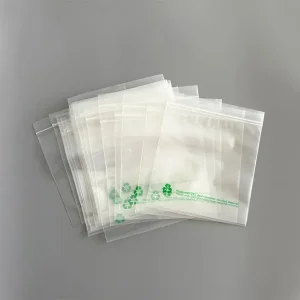
Clear bags allow customers and workers to see the packaged meat without opening the package. This can be useful for supermarkets, butcher shops, restaurants, and food distribution businesses.
Transparent packaging can also make product identification easier during storage and transportation.
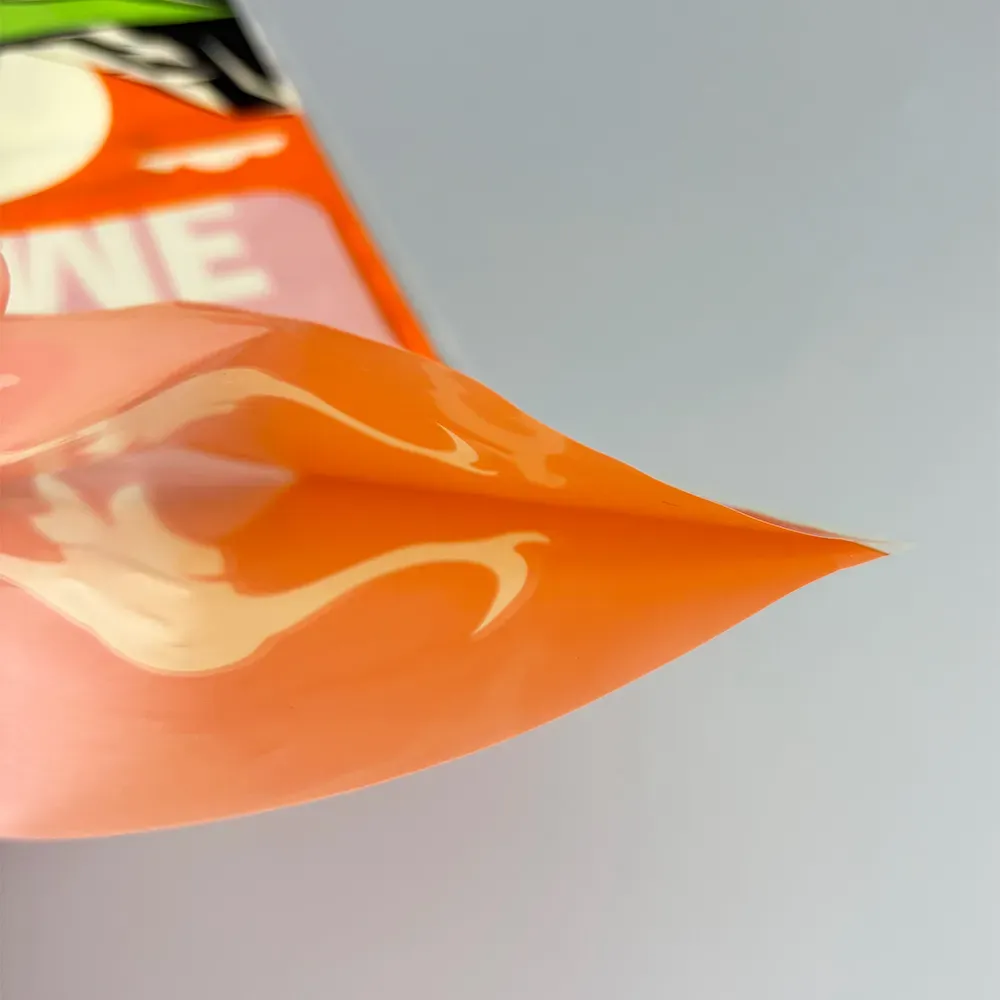
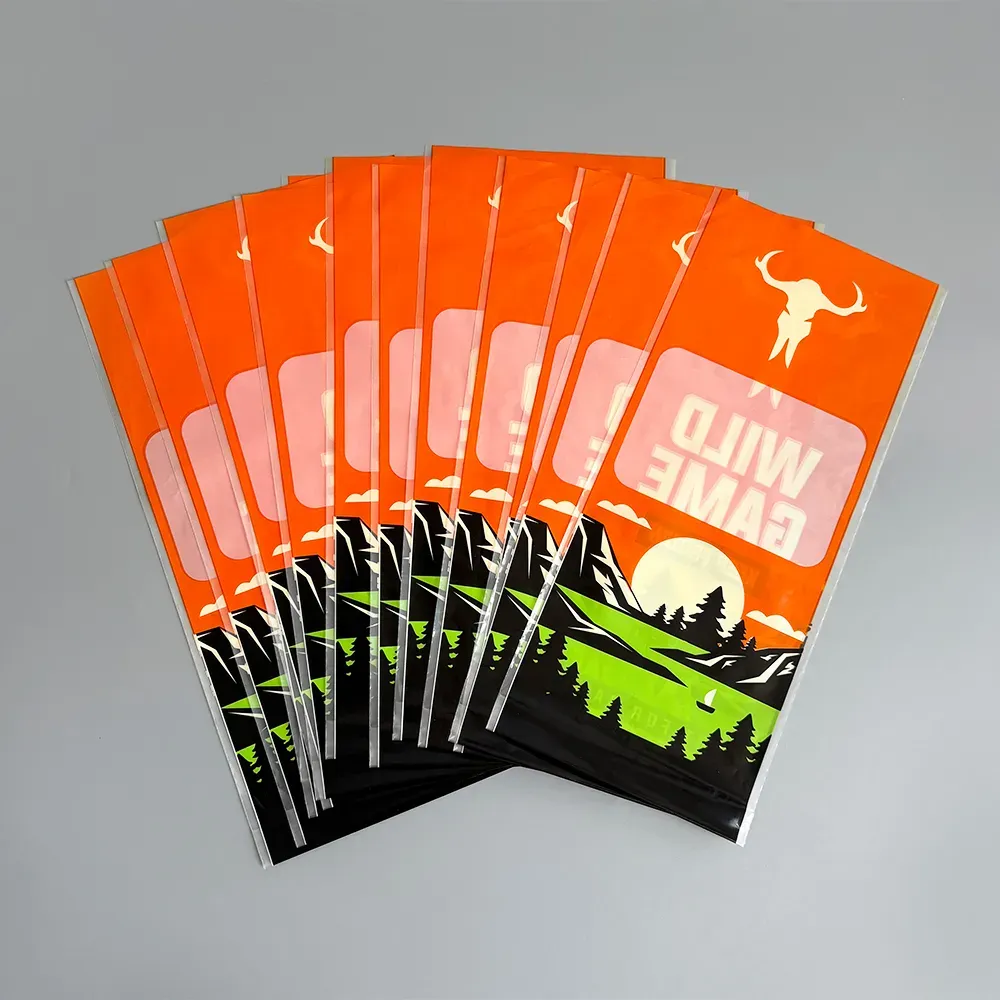
For branded retail products, custom printing can be added to the bag. Logos, product information, handling instructions, barcodes, and other graphics can help create a professional appearance.
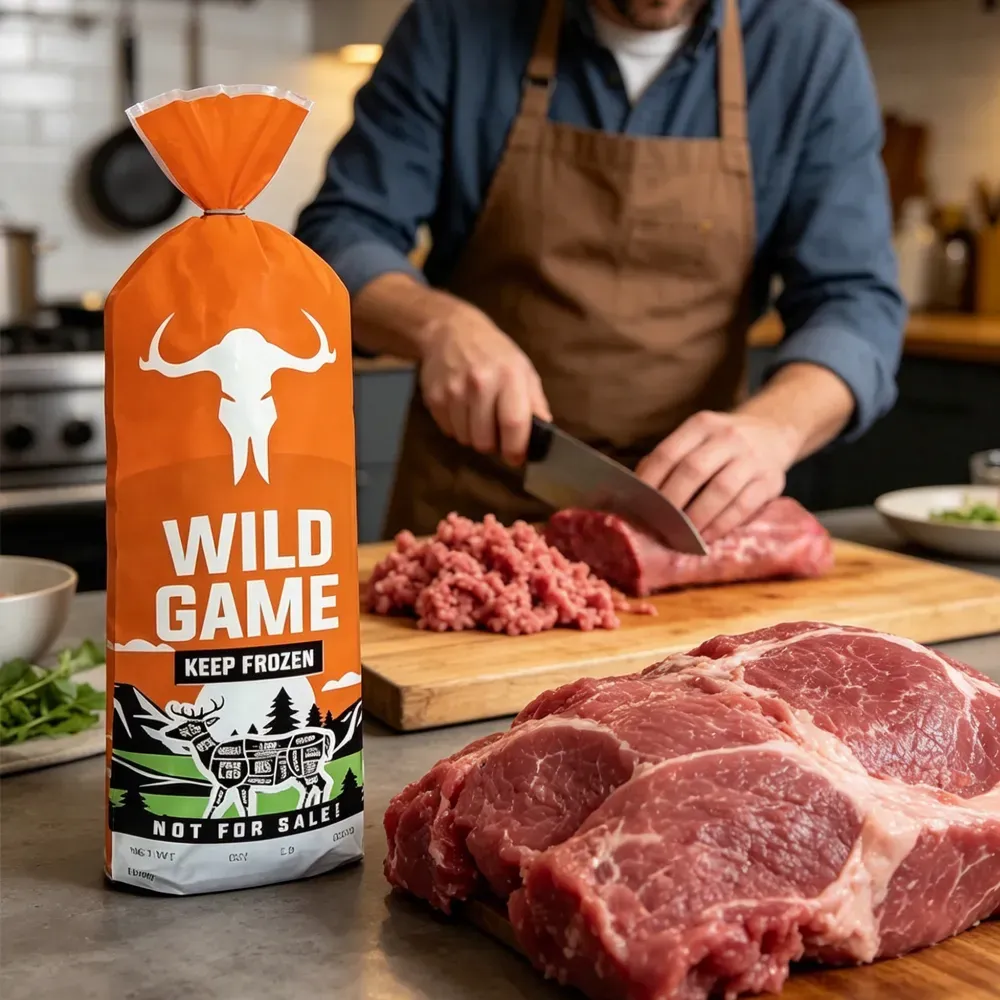
Custom Meat Bags for Freezer
Different businesses have different packaging requirements. Therefore, customized meat bags for freezer can be a practical solution.
Customization options may include:
- Custom bag dimensions
- Film thickness
- Material selection
- Transparent or colored film
- Custom printing
- Packaging quantity
- Sealing style
- Bag opening design
- Special barrier structures
For example, a meat processing company may require large printed bags with a specific thickness, while a supermarket may need smaller transparent bags for retail portions.
Working directly with a manufacturer can make it easier to customize the packaging according to product specifications.
Meat Bags for Freezer vs. Ordinary Plastic Bags
Not every plastic bag is suitable for frozen meat. Ordinary household plastic bags may not provide sufficient strength, temperature resistance, or sealing performance for demanding meat packaging applications.
Purpose-designed meat bags for freezer are manufactured with the intended storage conditions in mind. They can provide better durability and protection while helping businesses standardize their packaging process.
For commercial applications, the cost of packaging should not be evaluated only by the price per bag. Buyers should also consider material efficiency, product protection, packaging speed, and potential product losses.
A slightly higher-quality bag may reduce waste and improve overall packaging performance.
How to Choose a Reliable Manufacturer
Choosing the right manufacturer is just as important as selecting the right bag.
When sourcing meat bags for freezer, buyers should evaluate several factors:
Manufacturing Experience
Look for manufacturers with experience producing food packaging and frozen-food bags. Experienced suppliers are more likely to understand the requirements of different meat products.
Quality Control
Ask about raw material inspection, film production control, printing inspection, bag-making inspection, and final quality checks.
Consistent quality is especially important for large-volume orders.
Customization Capability
A manufacturer capable of producing customized meat bags for freezer can provide more flexibility in terms of dimensions, thickness, printing, and packaging style.
Certifications and Documentation
Ask whether the supplier can provide relevant food-contact documentation and quality certificates required for your market.
Sample Testing
Always request samples before placing a large production order. Test the bags under actual conditions, including freezing, handling, sealing, and transportation.
Common Applications
Meat bags for freezer are used across many areas of the food industry.
Typical applications include:
- Beef packaging
- Pork packaging
- Chicken packaging
- Lamb packaging
- Venison packaging
- Sausage packaging
- Seafood packaging
- Frozen food processing
- Butcher shops
- Supermarkets
- Restaurants
- Food distribution centers
For meat processors, these bags can be integrated into manual or automated packaging operations depending on the bag design.
Questions to Ask Before Buying
Before ordering meat bags for freezer, buyers should ask the supplier several questions:
- What material is used?
- What thickness options are available?
- What temperatures can the bags withstand?
- Are the materials suitable for food contact?
- Can the bag size be customized?
- Is custom printing available?
- What sealing methods are compatible with the bags?
- Can samples be provided?
- What is the minimum order quantity?
- What quality-control procedures are used?
Getting clear answers to these questions can help buyers avoid unsuitable packaging and unnecessary costs.
Conclusion
Choosing the right meat bags for freezer requires more than simply selecting the cheapest available option. Buyers should consider material, thickness, size, low-temperature performance, sealing strength, food-contact safety, appearance, and customization requirements.
For households, the right bag can help maintain the quality of frozen meat. For butcher shops, supermarkets, restaurants, and meat processors, professionally manufactured meat bags for freezer can improve packaging efficiency, product protection, and storage performance.
The best approach is to clearly define your product requirements, test samples under real freezing conditions, and work with an experienced plastic packaging manufacturer. With the right combination of material, design, and manufacturing quality, meat bags for freezer can provide reliable protection throughout the frozen-food supply chain.