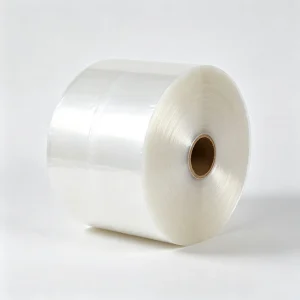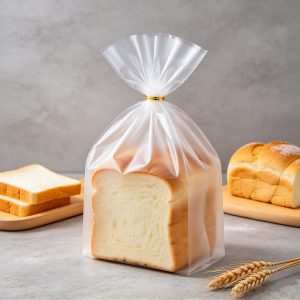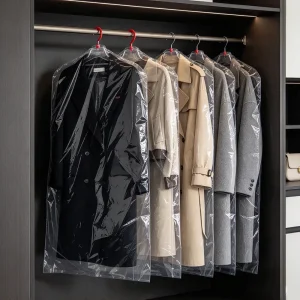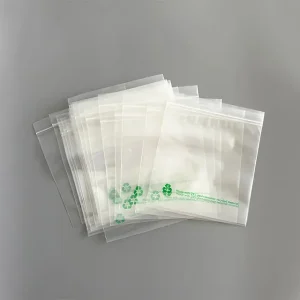
A continuous plastic bag roll is a practical packaging solution in which individual plastic bags are connected in a roll and separated by perforated tear lines. Designed for convenient dispensing, these bags help businesses streamline packing operations, maintain an organized workspace, and improve packaging efficiency.
Continuous plastic bag rolls are widely used in supermarkets, grocery stores, food processing facilities, warehouses, retail shops, and manufacturing plants. Depending on the intended application, they can be produced in different sizes, thicknesses, colors, and material grades, with options for custom printing, side gussets, bottom seals, and dispenser-compatible cores.
As a professional plastic packaging supplier, a manufacturer can customize continuous plastic bag rolls to meet specific packaging requirements, from lightweight produce bags to stronger industrial packaging bags. Buyers can select suitable film materials, bag dimensions, roll quantities, and perforation designs according to their products and packaging equipment.

Key Takeaways
- Convenient dispensing: Perforated tear lines allow individual bags to be separated quickly.
- Flexible materials: LDPE, HDPE, LLDPE, and selected alternative materials are available according to application requirements.
- Custom manufacturing: Bag width, length, thickness, color, printing, and roll configuration can be customized.
- Wide applications: Suitable for groceries, fresh produce, food packaging, retail, household use, and industrial packing.
- Improved efficiency: Organized rolls help reduce handling time and simplify packaging workflows.
- Wholesale supply: Bulk purchasing and customized production can support distributors, retailers, and commercial users.
Continuous Plastic Bag Roll: Context and History
Plastic bags have evolved from simple individual packaging products into convenient formats designed for high-volume commercial use. As supermarkets, food retailers, and manufacturing facilities expanded their operations, businesses needed packaging that could be stored compactly, dispensed quickly, and supplied in consistent quantities.
The continuous plastic bag roll was developed to address these needs. By connecting individual bags with perforated tear lines, manufacturers created a format that makes it easier for employees to access one bag at a time without handling a loose stack.
Today, continuous plastic bag rolls are available in different configurations, including flat bags, gusseted bags, produce bags, garbage bags, and specialized packaging bags. Some products are designed for manual dispensing, while others are adapted to dedicated packaging equipment.
Advances in film extrusion, sealing, perforation, printing, and winding technology have also improved production consistency. For B2B buyers, these developments make it possible to order packaging tailored to product dimensions, operating conditions, branding requirements, and purchasing budgets.
What Are Continuous Plastic Bag Rolls?
Continuous plastic bag rolls are packaging products made by forming individual bags and connecting them along a continuous roll. Each bag is typically separated by a perforated line that allows it to be torn away when needed.
Most conventional products use polyethylene film, although other materials may be available for specific applications. Depending on the design, bags can have flat or gusseted structures, different sealing configurations, and optional holes for ventilation or air release.
A typical continuous plastic bag roll includes the following components:
- Plastic film: Provides the required flexibility, strength, transparency, and moisture resistance.
- Bag seal: Holds the contents inside the bag and helps maintain package integrity.
- Perforated tear line: Allows individual bags to be separated from the roll.
- Roll core or coreless structure: Supports winding and compatibility with the intended dispenser.
- Optional printing: Displays brand logos, product information, handling instructions, or promotional graphics.
These features make continuous plastic bag rolls useful for businesses that need a reliable supply of bags throughout the working day.
The Importance of Continuous Plastic Bag Rolls in Packaging
Efficient packaging depends on more than the quality of the bag itself. The way bags are stored, accessed, and used can also affect labor costs, product handling, and workflow consistency.
Continuous plastic bag rolls help simplify these processes by keeping individual bags connected in a compact, organized format. Employees can pull a bag from the roll, fill it, and separate it along the perforation without searching through a stack of loose packaging.
In supermarkets, roll bags provide convenient access at produce counters. In warehouses, they help workers package small components and products more consistently. In food processing environments, appropriate food-contact grades can support hygienic handling when used alongside suitable cleaning procedures and storage practices.
For distributors and packaging buyers, continuous plastic bag rolls also provide flexibility in product specifications. Different film grades, thicknesses, and bag dimensions can be selected for different customers and applications.
However, the bag material must always match the intended use. Food-contact applications require suitable materials and supporting compliance documentation, while industrial packaging may prioritize puncture resistance, load requirements, or other performance characteristics.
Continuous Plastic Bag Rolls vs. Individual Plastic Bags
Continuous plastic bag rolls and individual plastic bags can serve similar packaging purposes, but their supply formats affect storage, dispensing, and daily use.
| Comparison | Continuous Plastic Bag Rolls | Individual Plastic Bags |
|---|---|---|
| Packaging format | Connected bags wound into rolls | Separate bags supplied loose or stacked |
| Dispensing | Usually separated along perforated lines | Removed individually from a stack |
| Storage | Compact and organized | Requires space for stacks or cartons |
| Workflow | Convenient for repeated, high-volume packing | Suitable for occasional or varied packing |
| Dispenser compatibility | Can be designed for compatible dispensers | Depends on the bag and dispensing system |
| Customization | Size, thickness, perforation, roll count, and printing | Size, thickness, seal, handles, and printing |
| Typical applications | Supermarkets, packing stations, produce counters, warehouses | Retail packaging, shipping, storage, and general packaging |
| Main consideration | Perforation quality and roll compatibility | Easy access and convenient handling |
Which option should you choose?
Choose continuous plastic bag rolls when employees need to use bags frequently and benefit from organized dispensing. Individual bags may be more practical when different bag sizes are required at the same workstation or when bags are used less frequently.
The best choice depends on packaging volume, labor requirements, available storage space, and the type of dispensing equipment used.
Using Continuous Plastic Bag Rolls for Storage and Packaging
Continuous plastic bag rolls can support different storage and packaging processes when their dimensions and material properties match the products being packed.
In retail environments, clear rolls allow staff to package produce, bakery items, and other suitable goods quickly. In warehouses, bags can protect small parts, accessories, and components from dust and surface contamination. In manufacturing facilities, preconfigured rolls can simplify repetitive packing tasks.
To use continuous plastic bag rolls effectively, businesses should consider the following points:
- Match the bag size to the product. Allow sufficient space for easy loading and removal without excessive unused film.
- Select suitable thickness. Lightweight products may need thinner film, while heavier or sharp-edged items may require stronger material.
- Check the sealing design. The seal must be appropriate for the product weight and handling conditions.
- Confirm perforation quality. Bags should separate cleanly without tearing the next bag.
- Use a compatible dispenser. Check the roll diameter, core size, and mounting arrangement before ordering.
- Maintain clean handling conditions. For food and sensitive products, follow applicable hygiene and storage procedures.
These steps can help reduce packaging interruptions and improve consistency during daily operations.
Composition: Plastic and Alternative Packaging Materials
The composition of continuous plastic bag rolls affects their strength, flexibility, clarity, cost, and environmental profile. Selecting the right material requires evaluating the packaging application rather than focusing on one property alone.
Conventional polyethylene films are widely used because they offer a useful balance of flexibility, moisture resistance, and processing performance. Recycled-content materials may be appropriate for certain applications, subject to performance requirements and applicable regulations.
For businesses seeking alternative materials, selected biodegradable or compostable film formulations may also be available. However, these materials are not interchangeable with conventional polyethylene in every application. Their suitability depends on mechanical performance, storage conditions, intended disposal facilities, and relevant certification requirements.
When sourcing continuous plastic bag rolls, buyers should confirm the material composition and request technical specifications where necessary. Claims such as recyclable, recycled-content, biodegradable, and compostable should be supported by appropriate evidence and should not be treated as equivalent.
Common Materials Used in Continuous Plastic Bag Rolls
LDPE (Low-Density Polyethylene)
LDPE is a flexible material commonly used for general-purpose packaging.
- Advantages: Soft texture, flexibility, good transparency, and moisture resistance.
- Applications: Food packaging, retail bags, garment packaging, and general-purpose packing.
- Best suited for: Products requiring flexible film and convenient handling.
HDPE (High-Density Polyethylene)
HDPE is generally stiffer and can provide good strength at relatively low film thicknesses.
- Advantages: Stiffness, efficient material use, and good resistance to many everyday handling conditions.
- Applications: Produce bags, lightweight shopping bags, and selected household packaging.
- Best suited for: Applications where thin film and a firmer feel are preferred.
LLDPE (Linear Low-Density Polyethylene)
LLDPE is often selected when stretching ability, toughness, and puncture resistance are important.
- Advantages: Good tensile performance, flexibility, and resistance to tearing under suitable conditions.
- Applications: Industrial packaging, heavier products, and demanding handling environments.
- Best suited for: Bags that require additional toughness.
Recycled Polyethylene
Recycled polyethylene can incorporate recycled material into suitable packaging applications.
- Advantages: May reduce reliance on virgin plastic and support recycled-content purchasing goals.
- Applications: Non-food packaging and other uses where the material meets relevant requirements.
- Best suited for: Buyers with defined recycled-content targets and appropriate material specifications.
Biodegradable or Compostable Film
Certain specialized film formulations are designed to biodegrade or compost under specified conditions.
- Advantages: May support particular waste-management or sustainability objectives when the material and disposal system are compatible.
- Applications: Selected retail, food-service, and waste collection uses.
- Best suited for: Buyers who can verify certification, intended disposal conditions, and applicable local requirements.
Not every material is suitable for every product. For example, food-contact applications require an appropriate grade and supporting documentation, while heavy-duty packaging needs sufficient strength and reliable seals.
Characteristics of Continuous Plastic Bag Rolls
The main characteristics of continuous plastic bag rolls can be adjusted to suit different operating requirements.
1. Easy separation: Perforated lines allow individual bags to be detached conveniently.
2. Flexible specifications: Width, length, thickness, and bag structure can be selected according to the application.
3. Efficient storage: Rolled packaging keeps bags organized and helps simplify inventory handling.
4. Material versatility: Different film grades provide different levels of softness, stiffness, transparency, and toughness.
5. Printing options: Custom graphics can support branding, product identification, and promotional requirements.
6. Multiple configurations: Flat and gusseted styles, different seals, ventilation holes, and selected dispenser features may be available.
7. Compatibility considerations: Core diameter, roll diameter, winding direction, and perforation position may affect dispensing performance.
Actual performance depends on material grade, film thickness, manufacturing quality, and the conditions in which the bags are used.
Advantages of Continuous Plastic Bag Rolls
Improved Packaging Efficiency
Continuous plastic bag rolls allow workers to access bags quickly, making them practical for repetitive packaging operations.
Better Organization
A roll keeps bags together in one compact unit, helping reduce loose packaging around workstations and storage areas.
Flexible Customization
Businesses can specify dimensions, thickness, color, material, and printing to match different products and brand requirements.
Potential Cost Control
Ordering the right bag specifications in bulk may help reduce packaging costs per unit. Buyers should compare material consumption, roll quantity, shipping costs, and performance rather than evaluating unit price alone.
Convenient Inventory Management
Roll quantities can make it easier to estimate consumption, replenish stock, and distribute packaging materials across departments.
Support for Consistent Workflows
When bags have consistent dimensions and perforation spacing, employees can follow repeatable packing procedures with fewer unnecessary interruptions.
These advantages are most valuable when the bag design is matched to actual packaging volume, product characteristics, and dispensing equipment.
Application Scenarios for Continuous Plastic Bag Rolls
Continuous plastic bag rolls serve a wide range of commercial and industrial uses.
| Industry | Typical Uses | Important Requirements |
|---|---|---|
| Supermarkets | Produce bags and checkout packaging | Convenient dispensing and suitable strength |
| Food processing | Packaging suitable food products | Food-contact compliance and hygiene |
| Bakeries | Bags for suitable bakery products | Appropriate clarity, size, and product protection |
| Warehouses | Small components and accessories | Durability and efficient handling |
| Manufacturing | Parts and product packaging | Consistent dimensions and reliable seals |
| Retail | General merchandise packaging | Appearance, printing, and convenient use |
| Household | Selected storage and waste collection uses | Practical sizing and suitable film properties |
| Agriculture | Produce collection and handling | Appropriate strength and ventilation where needed |
For fresh fruits and vegetables, perforations intended for ventilation must be specified separately from the tear-off perforations between bags. These features serve different purposes and should not be confused during purchasing.

How to Use Continuous Plastic Bag Rolls Effectively
Correct use helps maximize the benefits of continuous plastic bag rolls.
- Inspect the roll before use. Check for damaged film, irregular winding, and visible defects.
- Install the roll securely. Ensure the core and roll dimensions are compatible with the dispenser.
- Pull the bag gently. Avoid excessive force that may cause premature tearing.
- Separate along the perforation. Use the intended tear line rather than pulling across the sealed area.
- Avoid overfilling. Excessive weight or sharp contents can damage the film or seal.
- Check packaging quality. Inspect representative bags for seal integrity and suitable dimensions.
- Follow product-specific requirements. Use only appropriate material grades for food, sensitive products, or specialized applications.
For automated or semi-automated operations, buyers should test the roll with the actual equipment before committing to large-scale production.
Storage Method
Proper storage helps maintain the quality of continuous plastic bag rolls before use.
- Store rolls in a clean, dry, and well-ventilated area.
- Keep packaging away from direct sunlight and excessive heat.
- Avoid sharp objects, heavy pressure, and rough handling that may damage the film.
- Retain the original protective packaging until the rolls are ready for use.
- Store food-contact packaging separately from chemicals and potential contaminants.
- Follow the supplier’s recommended storage conditions for specialized materials.
- Rotate stock according to the purchasing date and the material’s documented shelf-life requirements, where applicable.
Biodegradable or compostable films may have more specific storage requirements than conventional polyethylene. Buyers should follow the relevant supplier instructions rather than assuming that every material has the same storage life.
How to Dispose of Continuous Plastic Bag Rolls
Disposal depends on the material composition, local waste-management infrastructure, and contamination level.
For conventional polyethylene bags, check whether a suitable local film-plastic recycling collection system accepts the material. Remove non-compatible components where required, and keep recyclable film clean and dry according to local guidance.
Recycled-content plastic is not necessarily recyclable through every collection system, so buyers should confirm the applicable local rules.
Biodegradable and compostable bags require particular attention. Biodegradable does not automatically mean home-compostable, and compostable materials may require an industrial composting facility with specified conditions. Do not assume that these products can be placed in ordinary recycling or food-waste bins.
Businesses purchasing large quantities of continuous plastic bag rolls should consider end-of-life handling when selecting materials. Clear material identification and accurate disposal instructions can help employees and customers make more appropriate decisions.
Choosing Continuous Plastic Bag Rolls
Selecting the right continuous plastic bag rolls involves evaluating product requirements, operating conditions, and total purchasing costs.
1. Identify the Intended Application
Determine whether the bags will be used for produce, food packaging, retail goods, industrial components, or waste collection. The application determines which material properties are most important.
2. Select the Appropriate Material
Compare LDPE, HDPE, LLDPE, recycled polyethylene, and suitable alternative films. Consider flexibility, stiffness, transparency, strength, regulatory requirements, and cost.
3. Confirm Bag Dimensions and Thickness
Specify the bag width, length, thickness, and any gussets. The bag should accommodate the product without excessive unused material.
4. Evaluate Perforation and Sealing
Ask about tear-off performance, seal strength, and perforation consistency. For applications requiring ventilation, specify vent-hole size and distribution separately.
5. Check Roll Specifications
Confirm the number of bags per roll, core dimensions, outside roll diameter, winding direction, and dispenser compatibility. These details can affect transport, storage, and day-to-day operation.
6. Consider Printing and Branding
Custom printing can display logos, product information, or handling instructions. Confirm artwork requirements, colors, printing area, and any minimum order quantities with the manufacturer.
7. Verify Quality and Compliance
Request relevant technical data, sample bags, and applicable food-contact or other compliance documentation. Do not rely on generic certification claims without checking whether the documents apply to the actual material and intended use.
8. Compare Wholesale Pricing
When requesting a quotation, provide the material, dimensions, thickness, quantity per roll, total order quantity, printing requirements, and delivery destination. Compare the total landed cost and product performance rather than price alone.
Working with an experienced manufacturer can help buyers develop specifications that balance packaging performance, production efficiency, and purchasing budgets.
Conclusion
Continuous plastic bag rolls provide an organized and convenient packaging format for businesses that use bags frequently. Their tear-off design, flexible specifications, and compatibility with suitable dispensing systems make them practical for retail, food-related applications, warehousing, manufacturing, and general packaging.
The best solution depends on the material, dimensions, thickness, sealing method, perforation quality, and intended use. Buyers should also evaluate food-contact requirements, storage conditions, disposal options, and total purchasing costs before placing a bulk order.
For distributors, importers, retailers, and manufacturers, customized continuous plastic bag rolls can support more consistent packaging operations and more efficient inventory management. Working with a qualified plastic bag manufacturer helps ensure that the selected product meets the required specifications and commercial objectives.
FAQ
1. What is a continuous plastic bag roll?
A continuous plastic bag roll consists of individual bags connected in a roll, usually with perforated lines that allow each bag to be torn off when needed.
2. What materials are used for continuous plastic bag rolls?
Common materials include LDPE, HDPE, and LLDPE. Recycled polyethylene and selected biodegradable or compostable films may also be available for suitable applications.
3. Can continuous plastic bag rolls be customized?
Yes. Depending on the manufacturer’s capabilities, buyers can customize bag width, length, thickness, color, printing, seal style, perforation, and roll configuration.
4. Are continuous plastic bag rolls suitable for food packaging?
They can be suitable for food packaging when the selected material and finished product meet the applicable food-contact requirements. Buyers should request relevant documentation for their intended application.
5. How many bags are included in each roll?
The number varies according to bag size, thickness, roll diameter, and customer specifications. Confirm the required quantity per roll with the manufacturer before ordering.
6. What is the difference between continuous plastic bag rolls and garbage bags on rolls?
Both formats may use perforated tear lines. Continuous plastic bag rolls is a broader term covering bags for multiple applications, while garbage bags on rolls are specifically designed for waste collection and may include features such as draw tapes or tie handles.
7. Can continuous plastic bag rolls be printed with a company logo?
Many manufacturers offer custom printing, subject to material compatibility, artwork specifications, printing method, and minimum order quantities.
8. Are continuous plastic bag rolls recyclable?
Some polyethylene bag rolls may be recyclable through appropriate film-plastic collection programs. Acceptance depends on the material, local facilities, contamination, and collection rules.
9. How should continuous plastic bag rolls be stored?
Store them in their protective packaging in a clean, dry location away from direct sunlight, excessive heat, and contamination. Follow any additional requirements for specialized film materials.
10. How can I obtain a wholesale quotation?
Provide your required material, bag dimensions, thickness, bags per roll, roll configuration, printing details, order quantity, and delivery destination. The manufacturer can then evaluate the specifications and prepare a suitable quotation.