Healthcare facilities generate many different types of waste every day, including general waste, infectious materials, sharps, pharmaceutical waste, chemical waste, and pathological waste. Because these materials have different risks and disposal requirements, proper waste segregation is an essential part of healthcare waste management.
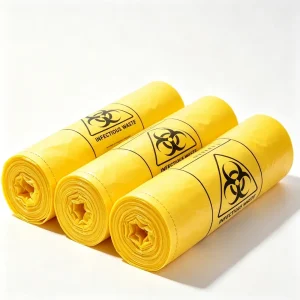
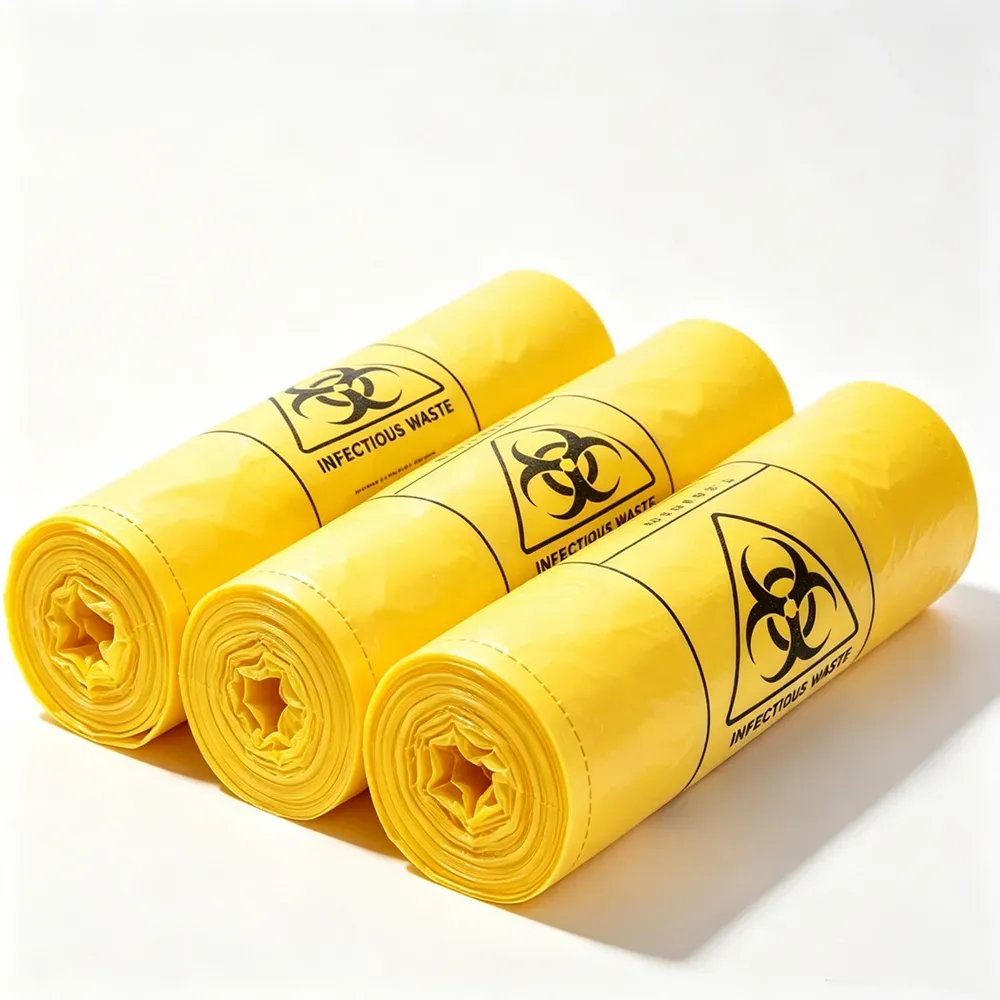
The term yellow bag biomedical waste is commonly associated with designated healthcare waste that requires controlled collection, storage, treatment, or disposal. Yellow bags provide a visible way to identify a particular waste stream and help healthcare workers separate it from ordinary municipal waste.
However, the exact meaning of a yellow waste bag is not identical in every country or healthcare system. Hospitals, clinics, laboratories, and other healthcare facilities should always follow their local regulations and waste classification procedures.
Understanding what can be classified as yellow bag biomedical waste can help healthcare facilities select suitable bags, improve waste segregation, and reduce unnecessary risks during collection and transportation.
What Is Yellow Bag Biomedical Waste?
Yellow bag biomedical waste generally refers to healthcare waste that is assigned to a yellow collection bag or yellow waste stream under a specific healthcare waste management system.
This may include contaminated materials, infectious waste, pathological waste, and other designated healthcare waste depending on the applicable regulations.
The yellow color makes the waste stream easier to recognize. Instead of requiring workers to identify every type of waste by its physical appearance, a standardized color-coding system provides an additional visual identification method.
For healthcare facilities, the use of properly specified yellow bag biomedical waste bags can support waste segregation from the point where waste is generated.
For example, a hospital may have separate containers for:
- General municipal waste
- Infectious or contaminated waste
- Sharps
- Pharmaceutical waste
- Chemical waste
- Radioactive waste
- Recyclable materials
The exact classification should always be based on the regulations applicable to the healthcare facility.
What Types of Waste Are Classified as Yellow Bag Biomedical Waste?
The types of waste assigned to yellow bags can vary between countries. In systems where yellow bags are used for designated infectious or healthcare waste, several common categories may be included.
1. Blood-Contaminated Materials
Materials contaminated with blood are commonly associated with controlled healthcare waste.
Examples can include:
- Used gauze
- Cotton swabs
- Blood-stained dressings
- Disposable absorbent materials
- Contaminated protective materials
- Other single-use materials contaminated during medical procedures
These materials may contain biological contaminants and therefore should not automatically be mixed with ordinary household or municipal waste.
Appropriate yellow bag biomedical waste bags can provide a contained collection method when required by the facility’s waste management procedure.
2. Contaminated Dressings and Bandages
Hospitals and clinics generate large quantities of used dressings and bandages during wound care.
Depending on local classification requirements, contaminated dressings may be collected in yellow biomedical waste bags.
These bags should be strong enough to withstand normal handling. If the waste contains liquids or bodily fluids, leak resistance becomes particularly important.
Healthcare facilities should also avoid overfilling bags because excessive weight can increase the risk of tearing or leakage.
3. Disposable Personal Protective Equipment
Personal protective equipment, or PPE, is widely used in hospitals and laboratories.
Depending on contamination status and local regulations, certain disposable PPE may be classified as healthcare waste requiring a yellow bag.
Examples may include:
- Disposable gowns
- Gloves
- Face masks
- Caps
- Shoe covers
- Protective sleeves
It is important to understand that not every used PPE item automatically belongs in a yellow bag. The classification may depend on whether the item has been contaminated and the specific waste management rules of the facility.
4. Infectious Healthcare Waste
In some waste management systems, infectious waste is one of the major categories associated with yellow bags.
Infectious healthcare waste may include materials that have been contaminated with microorganisms or bodily fluids and could potentially create a biological risk if improperly handled.
This type of waste can be generated in:
- Hospitals
- Medical clinics
- Dental clinics
- Diagnostic laboratories
- Nursing facilities
- Veterinary facilities
- Research institutions
The use of designated yellow bag biomedical waste bags can help workers identify and separate this waste from general waste.
5. Pathological Waste
Pathological waste is another category that may be assigned to yellow containers or bags under certain healthcare waste systems.
It can include human tissues, organs, or other materials generated during surgical and pathological procedures.
Because pathological materials can require specialized handling, healthcare facilities should follow specific procedures for collection, temporary storage, transportation, treatment, and final disposal.
In some systems, specialized containers may be required instead of standard plastic bags.
Therefore, healthcare procurement teams should confirm the exact requirements before selecting yellow bag biomedical waste products for pathological applications.
6. Laboratory-Contaminated Waste
Medical and diagnostic laboratories can generate various types of contaminated disposable materials.
Depending on the applicable classification system, certain laboratory waste may be collected in yellow biomedical waste bags.
Potential examples include contaminated:
- Disposable laboratory supplies
- Absorbent materials
- Protective clothing
- Testing materials
- Culture-related materials
- Single-use laboratory items
However, laboratory waste should not automatically be treated as one category.
Chemical substances, solvents, pharmaceutical materials, radioactive materials, and sharps may require separate containers and specialized disposal procedures.
What Should Not Go Into Yellow Biomedical Waste Bags?
Understanding what should not be placed in a yellow bag is equally important.
Sharps
Needles, scalpels, blades, and other sharp objects can puncture plastic bags.
They generally require puncture-resistant sharps containers rather than ordinary biomedical waste bags.
This helps protect nurses, doctors, cleaning staff, waste handlers, and other personnel who may come into contact with the waste.
Pharmaceutical Waste
Expired medicines, unused medicines, and certain pharmaceutical products often require separate waste collection.
Some pharmaceutical products can be hazardous and should not be mixed with ordinary infectious waste.
Chemical Waste
Laboratory chemicals, solvents, disinfectants, and other hazardous chemicals generally require specialized containers.
Chemical waste can react with plastic materials or create hazards during transportation and treatment, so it should be managed separately according to applicable regulations.
Radioactive Waste
Radioactive healthcare waste requires highly specialized handling and disposal procedures.
It should not be placed into ordinary yellow biomedical waste bags unless a specific regulated system explicitly requires it.
What Features Should Yellow Biomedical Waste Bags Have?
For healthcare applications, the bag itself needs to be designed according to the intended waste stream.
Important specifications may include:
Material
LDPE and HDPE are commonly used polyethylene materials for healthcare waste bags. The appropriate material depends on the required flexibility, strength, thickness, and application.
Thickness
A suitable film thickness helps the bag withstand normal loading and handling.
Lightweight waste may require a different thickness from heavier or moisture-containing waste.
Leak Resistance
If the waste may contain liquids, the bag should provide appropriate leak resistance.
Strong heat-sealed seams can help reduce the possibility of leakage during normal handling.
Tear Resistance
Healthcare waste bags should be able to withstand transportation and handling without easily tearing.
This is particularly important when the waste contains irregularly shaped materials.
Size
The bag dimensions should match the waste container and expected waste volume.
Common sizes can be customized according to the requirements of hospitals, clinics, laboratories, and medical waste management companies.
Can Yellow Biomedical Waste Bags Be Customized?
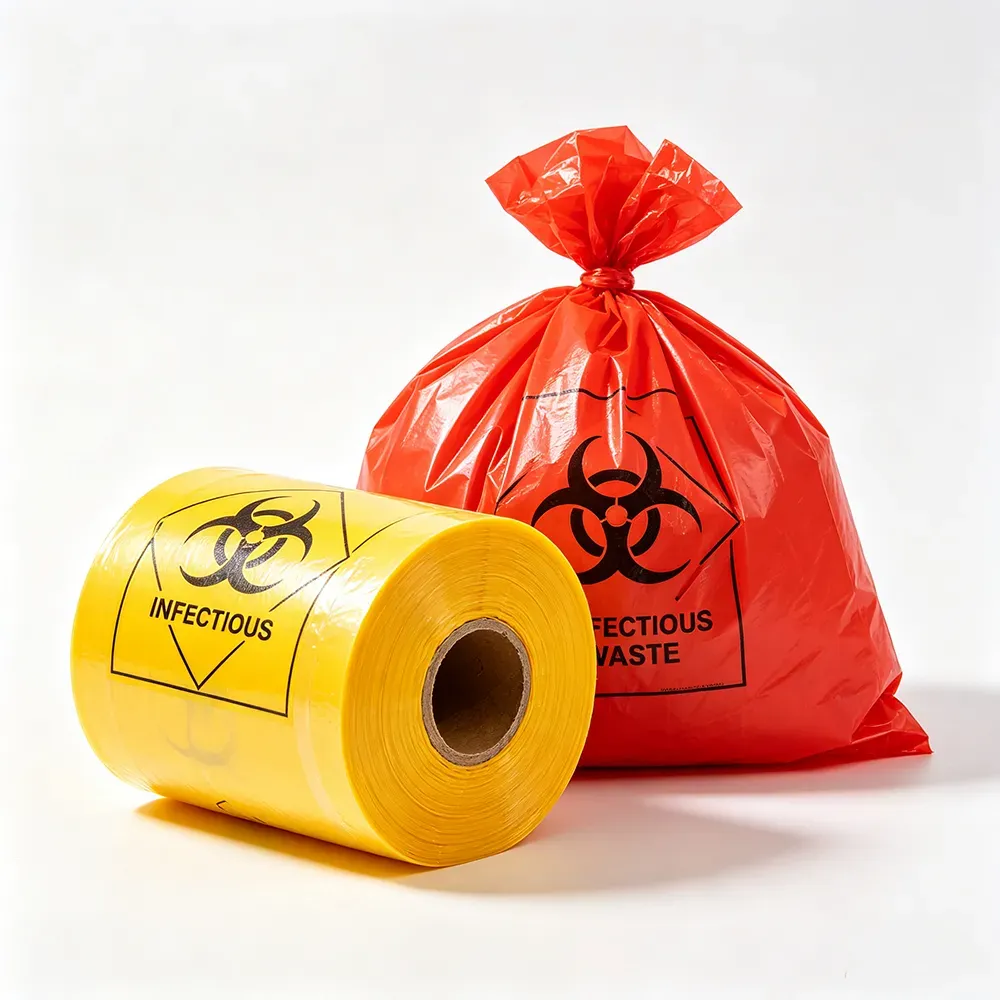
Yes. Healthcare organizations and distributors often require customized yellow bag biomedical waste products.
Manufacturers can offer customization options such as:
- Custom bag dimensions
- Film thickness
- Printed warning symbols
- Company logos
- Waste classification information
- Custom packaging
- Perforated rolls
- Flat bags
- Star-sealed bags
- Drawstring bags
- Different packaging quantities
Custom printing can help healthcare workers quickly identify the intended waste stream.
However, printed regulatory information should be reviewed carefully before production because waste classification symbols and requirements can vary between markets.
How Do Hospitals Choose the Right Yellow Biomedical Waste Bags?
Hospitals should first identify the exact waste category for which the bags will be used.
The next step is to determine the required bag size, thickness, capacity, closure method, and packaging format.
Procurement teams should also consider:
- Material quality
- Bag strength
- Leak resistance
- Tear resistance
- Sealing performance
- Printing requirements
- Packaging method
- MOQ
- Production lead time
- Quality inspection
- Supplier production capacity
For large-volume orders, requesting samples before mass production can be useful.
The samples can be tested with the actual waste containers and collection procedures used by the healthcare facility.
This helps confirm whether the bag dimensions, thickness, strength, and sealing performance are suitable for the intended application.
Why Is Proper Waste Segregation Important?
Proper waste segregation is one of the most important parts of healthcare waste management.
When healthcare waste is separated at the point where it is generated, workers can reduce unnecessary mixing between different waste categories.
For example, infectious waste should not simply be mixed with general municipal waste because doing so may increase the amount of waste requiring specialized treatment.
Correct segregation can also help healthcare facilities control waste management costs.
A typical process may include:
Waste generation → Waste segregation → Collection → Bag closure → Temporary storage → Transportation → Treatment → Final disposal
Using clearly identified yellow bag biomedical waste bags can support this process where yellow is the designated color for the relevant waste category.
Why Choose a Professional Biomedical Waste Bag Manufacturer?
Healthcare facilities often require consistent product quality because biomedical waste bags are used every day.
A professional manufacturer should be able to provide stable material quality, consistent dimensions, reliable sealing, and customized specifications.
For international B2B buyers, the supplier should also be able to support bulk production and provide relevant product documentation where required.
Before placing an order, buyers should confirm:
- Material specifications
- Bag dimensions
- Thickness
- Printing requirements
- Packaging
- MOQ
- Production capacity
- Quality control
- Sample availability
- Shipping requirements
For distributors, customized packaging and private-label printing may also be important when supplying hospitals and healthcare organizations in different markets.
Conclusion
Yellow bag biomedical waste is generally associated with designated healthcare waste that requires controlled collection and disposal. Depending on the local waste classification system, this can include blood-contaminated materials, used dressings, certain disposable PPE, infectious healthcare waste, pathological materials, and selected laboratory waste.
However, not every medical waste product belongs in a yellow bag. Sharps, pharmaceutical waste, chemical waste, radioactive waste, and other specialized materials may require separate containers and disposal procedures.
For hospitals, laboratories, clinics, and medical waste management companies, selecting the right yellow bag biomedical waste bags requires careful consideration of material, thickness, size, sealing strength, leak resistance, tear resistance, and applicable regulations.
Most importantly, healthcare facilities should always follow their local biomedical waste classification and color-coding requirements. The purpose of a yellow bag is not simply to provide a different color, but to support a clear and consistent waste segregation system.
When properly selected and correctly used, yellow bag biomedical waste bags can help healthcare organizations improve waste handling, protect workers, and create a safer and more efficient healthcare waste management process.