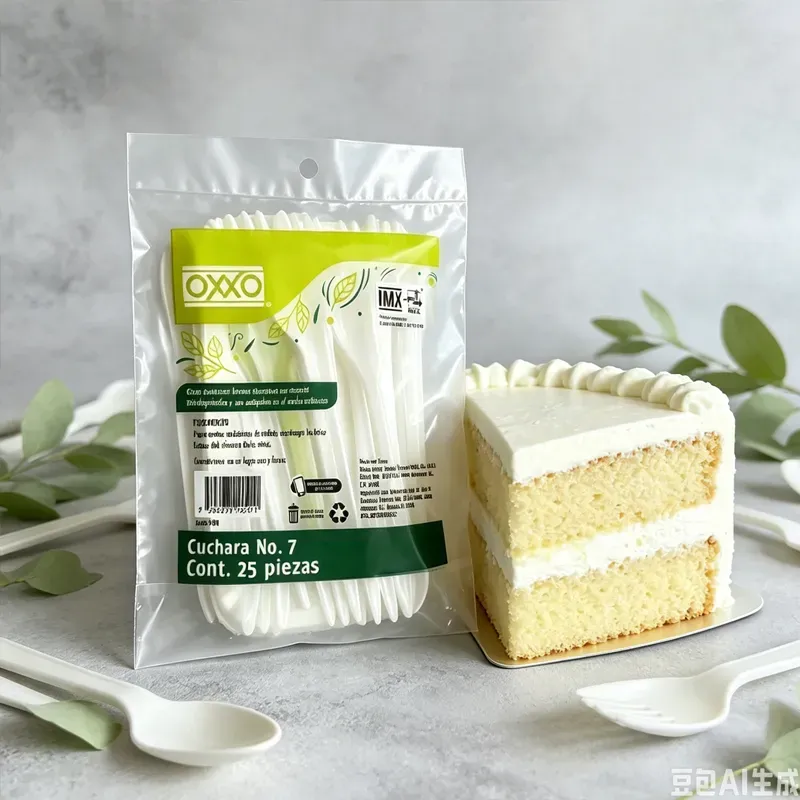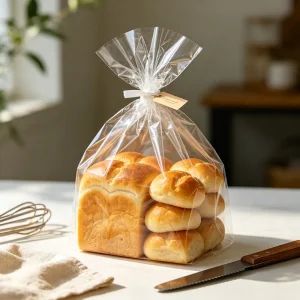
Self-adhesive bags (also known as peel & seal bags or self-sealing poly bags) are widely used in e-commerce, retail, apparel, medical, and industrial packaging. Their biggest advantage is no need for heat sealing equipment, making them fast, convenient, and cost-efficient.
However, not all self-adhesive bags are the same. They differ significantly in material structure, adhesive system, bag design, and manufacturing process, which directly affects performance, durability, and application suitability.
This article provides a comprehensive breakdown of the main types of self-adhesive bags, their characteristics, and production process differences based on real manufacturing practices.
1. Overview of Self-Adhesive Bag Classification
Self-adhesive bags can be classified from four main perspectives:
- Material structure (LDPE, CPP, OPP, biodegradable film)
- Adhesive system (single strip, double strip, high-tack glue)
- Function (standard, anti-static, reusable, eco-friendly)
- Processing technology (printing, sealing, cutting methods)
Each combination creates a different product performance level and application scenario.
2. Standard Self-Adhesive Bags (General Purpose Type)
Product Features
Standard self-adhesive bags are the most widely used type in the market.
- Lightweight and cost-effective
- High transparency for product display
- Single-use sealing system
- Suitable for mass production
Typical Applications
- Apparel packaging (T-shirts, socks, accessories)
- E-commerce shipping bags
- Stationery packaging
- Small retail products
Manufacturing Process
- Material: LDPE / CPP / OPP film
- Extrusion or film blowing
- Single adhesive strip coating
- Heat cutting or automatic bag making
Performance Characteristics
✔ Moderate strength
✔ Basic moisture resistance
✔ Suitable for non-heavy products
3. Heavy-Duty Self-Adhesive Bags (Industrial Grade)
Product Features
Designed for stronger packaging demands.
- Thicker film structure
- Higher tensile strength
- Improved puncture resistance
- Stronger adhesive system
Typical Applications
- Hardware tools
- Industrial components
- Heavy e-commerce products
- Logistics packaging
Manufacturing Process Differences
- Multi-layer co-extruded PE film
- Reinforced sealing edges
- High-viscosity pressure-sensitive adhesive
- Enhanced cooling and tension control during production
Key Advantage
✔ High durability under compression and transport stress
4. Anti-Static Self-Adhesive Bags (Electronic Packaging Type)
Product Features
Specially designed for sensitive electronic products.
- Prevents static electricity buildup
- Dust-resistant surface
- Controlled surface resistance
- Optional transparent or pink anti-static film
Typical Applications
- PCB boards
- Electronic components
- Semiconductor accessories
- Precision instruments
Manufacturing Process Differences
- Anti-static additive blended into resin (carbon or amine-based agents)
- Surface coating treatment
- Cleanroom production environment (optional)
- Strict humidity and dust control
Key Advantage
✔ Protects sensitive electronics from electrostatic damage
5. Reclosable Self-Adhesive Bags (Multiple Use Type)
Product Features
Designed for repeated opening and closing.
- Dual adhesive strip system
- Stable re-sealing performance
- User-friendly design
- Suitable for frequent handling
Typical Applications
- Documents and files
- Medical supplies
- Food packaging (non-vacuum)
- Retail product sampling
Manufacturing Process Differences
- Precision adhesive coating technology
- Dual-layer glue strip alignment
- High flatness film control
- Enhanced lamination stability
Key Advantage
✔ Can be reused multiple times without losing sealing performance
6. Printed Custom Self-Adhesive Bags (Branding Type)
Product Features
Designed for branding and marketing purposes.
- Full-color logo printing
- Product information display
- QR code integration
- High visual impact
Typical Applications
- Brand e-commerce packaging
- Retail chain stores
- Medical and pharmacy packaging
- Promotional packaging
Manufacturing Process Differences
- Flexographic printing (cost-effective bulk production)
- Gravure printing (high precision and premium quality)
- UV ink or water-based ink systems
- Registration alignment control system
Key Advantage
✔ Enhances brand visibility and product presentation
7. Eco-Friendly Self-Adhesive Bags (Sustainable Type)
Product Features
Designed for environmentally responsible packaging.
- Recyclable or biodegradable materials
- Reduced carbon footprint
- Compliance with global sustainability standards
- Premium eco-friendly branding
Typical Applications
- Green e-commerce packaging
- Retail sustainable products
- Export to EU and US markets
- High-end eco brands
Manufacturing Process Differences
- PLA, PBAT, or starch-based materials
- Bio-based resin blending
- Eco-friendly adhesive formulation
- Compostable certification process (EN13432, ASTM D6400)
Key Advantage
✔ Meets global environmental regulations and consumer demand
8. Key Manufacturing Process Differences Explained
8.1 Material Processing
| Type | Material | Key Feature |
|---|---|---|
| Standard | LDPE / OPP | Low cost, high clarity |
| Heavy-duty | Co-extruded PE | High strength |
| Anti-static | Additive-modified resin | Static protection |
| Eco-friendly | PLA / PBAT | Biodegradable |
8.2 Adhesive Technology
Single Adhesive Strip
- Basic sealing function
- Lowest cost
- Suitable for disposable packaging
Double Adhesive Strip
- Reusable sealing
- Better sealing stability
- Higher-end applications
High-Tack Adhesive
- Strong bonding force
- Suitable for heavy products
- Prevents accidental opening during transport
8.3 Bag Making Process
Heat Cutting Process
- Standard industrial method
- Fast production speed
- Economical solution
Precision Die-Cutting
- Cleaner edges
- Better appearance
- Used for retail packaging
Fully Automated Production Line
- Film extrusion + printing + bag making integration
- High efficiency
- Stable batch consistency
8.4 Printing Technology Differences
| Printing Type | Feature | Application |
|---|---|---|
| Flexographic | Cost-efficient | Mass production |
| Gravure | High precision | Premium branding |
| UV printing | Glossy effect | High-end packaging |
9. How to Choose the Right Type of Self-Adhesive Bag
✔ E-commerce shipping → Standard bags
✔ Heavy products → Heavy-duty bags
✔ Electronics → Anti-static bags
✔ Branding retail → Printed custom bags
✔ Eco-friendly market → Biodegradable bags
✔ Frequent reuse → Reclosable bags
10. Conclusion
Self-adhesive bags are not a one-size-fits-all product. Their performance depends on a combination of:
✔ Material structure
✔ Adhesive system
✔ Manufacturing process
✔ Printing and finishing technology
Choosing the right type directly impacts packaging safety, product protection, and brand perception.
For buyers and importers, understanding these differences helps reduce cost risk, improve supply chain stability, and ensure better end-user experience.