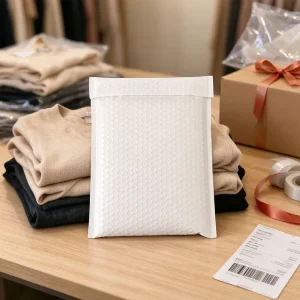
Mailing bubble mailers are protective packaging envelopes designed to provide cushioning and security during shipping and transportation. They combine a durable outer layer with an inner bubble cushioning structure that helps protect products from scratches, minor impacts, and surface damage.
As e-commerce and international shipping continue to grow, mailing bubble mailers have become a popular packaging solution for online retailers, wholesalers, manufacturers, and logistics companies. Their lightweight construction, convenient self-sealing design, and protective interior make them suitable for shipping a wide range of small and medium-sized products.
Depending on packaging requirements, mailing bubble mailers can be manufactured with polyethylene (PE), kraft paper, or other flexible materials. Businesses can also customize dimensions, thickness, colors, printing, and adhesive closures to meet their branding and shipping requirements.
For businesses looking for reliable protective packaging, customized mailing bubble mailers offer a practical combination of product protection, shipping convenience, and brand presentation.
Key Takeaways
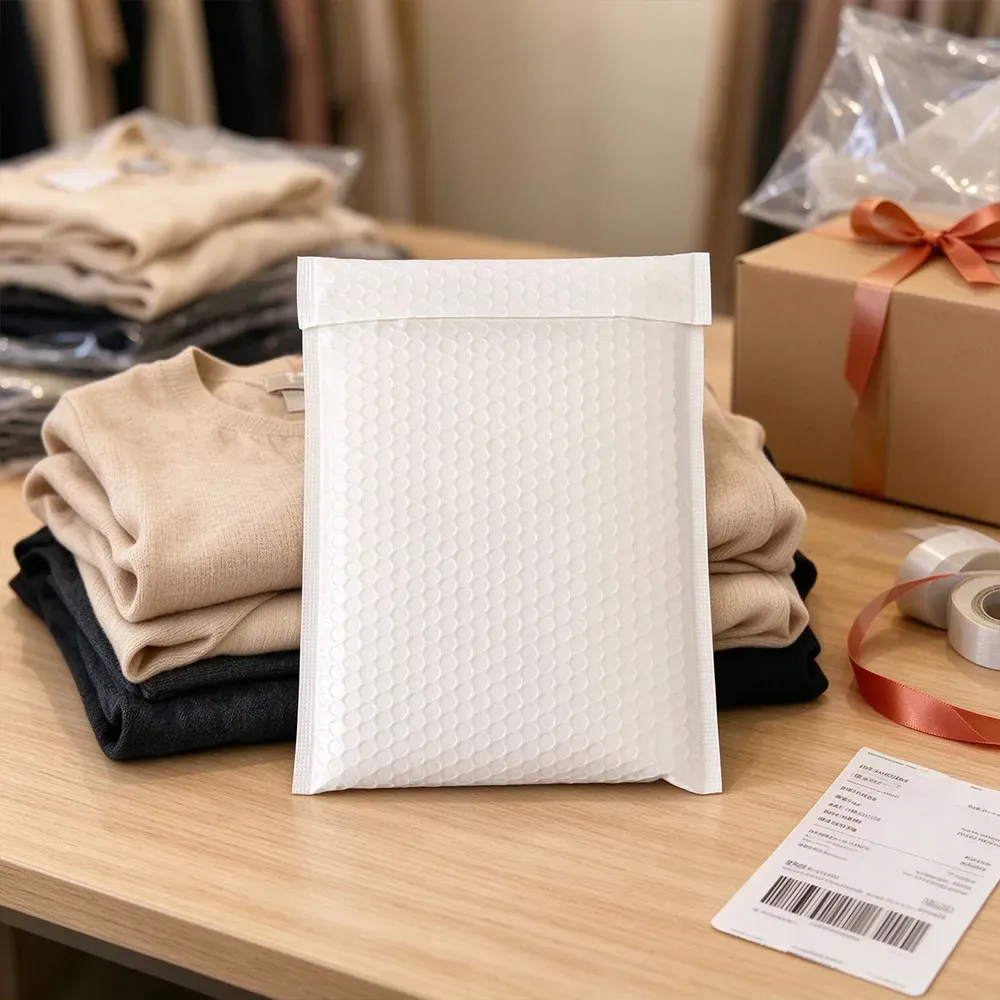
- Protective Design: Internal air bubbles provide cushioning against minor impacts and scratches.
- Lightweight Construction: Helps reduce unnecessary packaging weight and shipping costs.
- Durable Materials: PE film and kraft paper options provide different levels of moisture resistance and protection.
- Self-Sealing Closure: Adhesive strips make packaging faster and easier.
- Custom Printing: Company logos, brand colors, and promotional designs can be printed on the outer surface.
- Multiple Sizes: Available in different dimensions to accommodate various products.
- Versatile Applications: Suitable for e-commerce, electronics accessories, cosmetics, jewelry, stationery, and other small products.
Mailing Bubble Mailers: Context and History
The development of mailing bubble mailers is closely connected to the growth of modern parcel delivery and e-commerce packaging.
Traditional paper envelopes were commonly used for mailing documents and lightweight products. However, they offered limited protection against impacts, pressure, and rough handling during transportation.
As businesses began shipping more delicate products, the demand for protective packaging increased. Bubble cushioning materials provided a practical solution by trapping air inside small pockets, helping absorb some of the energy generated by minor impacts.
The combination of bubble cushioning and flexible outer materials gradually developed into the mailing bubble mailers widely used today.
With the expansion of online shopping, international logistics, and direct-to-consumer businesses, manufacturers have continued improving these products. Modern mailing bubble mailers are available in different materials, colors, thicknesses, and sizes, with customized printing and improved adhesive closure systems.
Today, they are an important packaging option for businesses that need lightweight protective envelopes for everyday shipping operations.
What Are Mailing Bubble Mailers?
Mailing bubble mailers are flexible shipping envelopes featuring an internal layer of air-filled bubbles. These bubbles create a cushioning barrier between the external environment and the packaged product.
Most mailing bubble mailers consist of two main components:
1. Outer Layer
The outer layer is typically made from polyethylene film or kraft paper. It provides structural support, protects the contents from dust and handling, and offers a surface for printing shipping information or brand graphics.
2. Inner Bubble Layer
The inner layer contains multiple small air pockets that help absorb minor shocks and reduce direct contact between the product and the outer packaging.
Most products also feature a self-adhesive closure strip, allowing users to seal the envelope without additional tape.
Compared with ordinary flat mailing bags, mailing bubble mailers provide additional cushioning and are more suitable for products that require basic impact protection during delivery.
The Importance of Mailing Bubble Mailers in E-commerce and Shipping
Protective packaging plays an important role in modern e-commerce and shipping operations. Products may pass through multiple distribution centers, sorting facilities, transportation vehicles, and delivery processes before reaching their final destination.
Mailing bubble mailers help businesses address several common packaging challenges.
Product Protection
The internal bubble structure provides cushioning against minor impacts, friction, and scratches. This is particularly useful for products with delicate surfaces or small components.
Reduced Shipping Weight
Compared with many rigid packaging solutions, mailing bubble mailers are lightweight and flexible. They can help reduce packaging weight and optimize shipping efficiency.
Improved Packaging Efficiency
The self-sealing adhesive strip allows workers to package products quickly without additional sealing materials.
Better Customer Experience
Customized mailing bubble mailers with professional printing can create a consistent brand image and improve the appearance of delivered orders.
Flexible Packaging Solutions
Businesses can select different sizes, materials, and cushioning specifications according to their product characteristics and shipping requirements.
However, bubble mailers are not designed to withstand heavy crushing or severe impacts. Products requiring stronger structural protection should be packed in suitable corrugated boxes.
Mailing Bubble Mailers vs. Poly Mailers
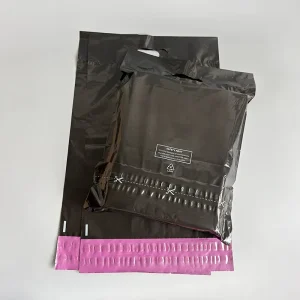
Mailing bubble mailers and standard poly mailers are both commonly used in e-commerce and logistics packaging. Although they may share similar outer materials, their internal structures and protective capabilities are different.
1. Structural Differences
Mailing bubble mailers feature an additional internal cushioning layer made from air bubble film. Standard poly mailers generally consist of a single or multiple layers of flexible plastic film without internal cushioning.
2. Protection Performance
Bubble mailers provide additional cushioning against minor impacts, scratches, and friction. Standard poly mailers mainly protect products from dust, dirt, and moisture, depending on their material construction.
3. Weight and Shipping Costs
Standard poly mailers are generally lighter and more compact. Mailing bubble mailers are slightly heavier because of their internal cushioning layer, but they provide additional protection for products that need it.
4. Suitable Applications
Poly mailers are suitable for clothing, textiles, and other flexible products that do not require cushioning.
Mailing bubble mailers are more suitable for small accessories, cosmetics, electronic components, jewelry, and other products that benefit from additional protection.
5. Customization Options
Both packaging types can be customized with different dimensions, colors, thicknesses, and printed designs. Mailing bubble mailers also allow customization of bubble thickness and cushioning specifications.
The best choice depends on the product’s fragility, weight, shipping environment, and packaging budget.
Using Mailing Bubble Mailers for Storage and Packaging
Mailing bubble mailers are primarily designed for shipping, but they can also be used for temporary storage and product organization.
Their flexible structure and internal cushioning make them useful for protecting small products before dispatch.
Common uses include:
- Small Product Packaging: Protecting accessories, electronic components, and small consumer goods.
- E-commerce Order Fulfillment: Packaging products for online orders and direct-to-consumer delivery.
- Warehouse Storage: Temporarily storing small items that require protection against scratches.
- International Shipping: Providing lightweight cushioning for suitable products during international transportation.
- Retail Packaging: Presenting branded products in customized protective envelopes.
For long-term storage, products should be kept in a clean, dry environment. Bubble mailers should not be treated as substitutes for rigid protective containers when products are vulnerable to crushing or heavy pressure.
Composition: Materials Used in Mailing Bubble Mailers
The performance of mailing bubble mailers depends on their material composition and manufacturing structure.
Different materials provide different levels of flexibility, strength, moisture resistance, and cushioning.
Common material combinations include:
Polyethylene Film
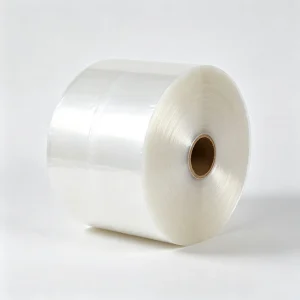
PE film is widely used for plastic bubble mailers. It offers flexibility, lightweight construction, and resistance to moisture.
Kraft Paper
Kraft paper is commonly used as the outer layer of paper bubble mailers. It provides a natural appearance and a suitable surface for printing.
Polyethylene Bubble Film
The internal bubble layer is usually manufactured from PE film. Air-filled pockets provide cushioning during transportation.
Adhesive Materials
Pressure-sensitive adhesives are used for self-sealing closures. The adhesive formulation can be selected according to sealing strength and application requirements.
Printing Inks
Printing inks are used to display company logos, product information, brand graphics, and shipping-related designs.
The actual construction varies according to product specifications. Businesses should evaluate the complete material structure rather than assuming all bubble mailers have the same composition.
Common Materials Used in Mailing Bubble Mailers
| Material | Main Characteristics | Typical Applications |
|---|---|---|
| LDPE | Flexible, lightweight, and moisture-resistant | Plastic bubble mailers |
| HDPE | Good stiffness and strength | Selected protective packaging structures |
| Kraft Paper | Printable, natural appearance, and recyclable where accepted | Paper bubble mailers |
| Recycled PE | Incorporates recycled plastic content | Recycled-content protective mailers |
| Recycled Paper | Supports paper-based packaging solutions | Paper padded mailers |
| Adhesive Materials | Reliable sealing performance | Self-sealing closures |
Material selection should consider product weight, shipping conditions, required cushioning, sustainability goals, and local recycling infrastructure.
Characteristics of Mailing Bubble Mailers
Mailing bubble mailers have several features that make them suitable for modern shipping and packaging applications.
1. Internal Cushioning
The air bubble structure helps absorb minor impacts and reduces direct friction between products and the packaging surface.
2. Lightweight Design
Flexible materials help minimize packaging weight compared with many rigid packaging alternatives.
3. Moisture Resistance
PE outer layers provide resistance to water and moisture, helping protect products from ordinary environmental exposure.
4. Tear Resistance
The outer film can be manufactured with different thicknesses and mechanical properties to improve resistance to tearing during handling.
5. Self-Sealing Closure
An adhesive strip provides convenient sealing without requiring additional tape.
6. Flexible Sizes
Different widths and lengths can be produced according to the dimensions of the packaged products.
7. Customizable Appearance
Colors, printing patterns, logos, and surface finishes can be customized to support brand identity.
Advantages of Mailing Bubble Mailers
Choosing the right packaging can improve shipping efficiency, protect products, and create a better customer experience.
Mailing bubble mailers offer several practical advantages.
Improved Product Protection
The internal cushioning layer helps reduce damage caused by minor impacts, vibration, and friction during delivery.
Cost-Effective Packaging
Their lightweight construction and flexible structure can help businesses optimize packaging and shipping expenses.
Convenient Operation
Self-adhesive closures simplify packaging procedures and reduce the need for additional sealing materials.
Space-Saving Storage
Empty mailing bubble mailers can be stored flat, helping businesses save warehouse space.
Professional Brand Presentation
Customized printing allows businesses to display their logos, brand colors, and promotional messages directly on the packaging.
Versatile Applications
They are suitable for a wide range of lightweight products across different industries.
Multiple Material Choices
Businesses can choose plastic bubble mailers, kraft paper bubble mailers, or alternative padded mailers according to their packaging and sustainability requirements.
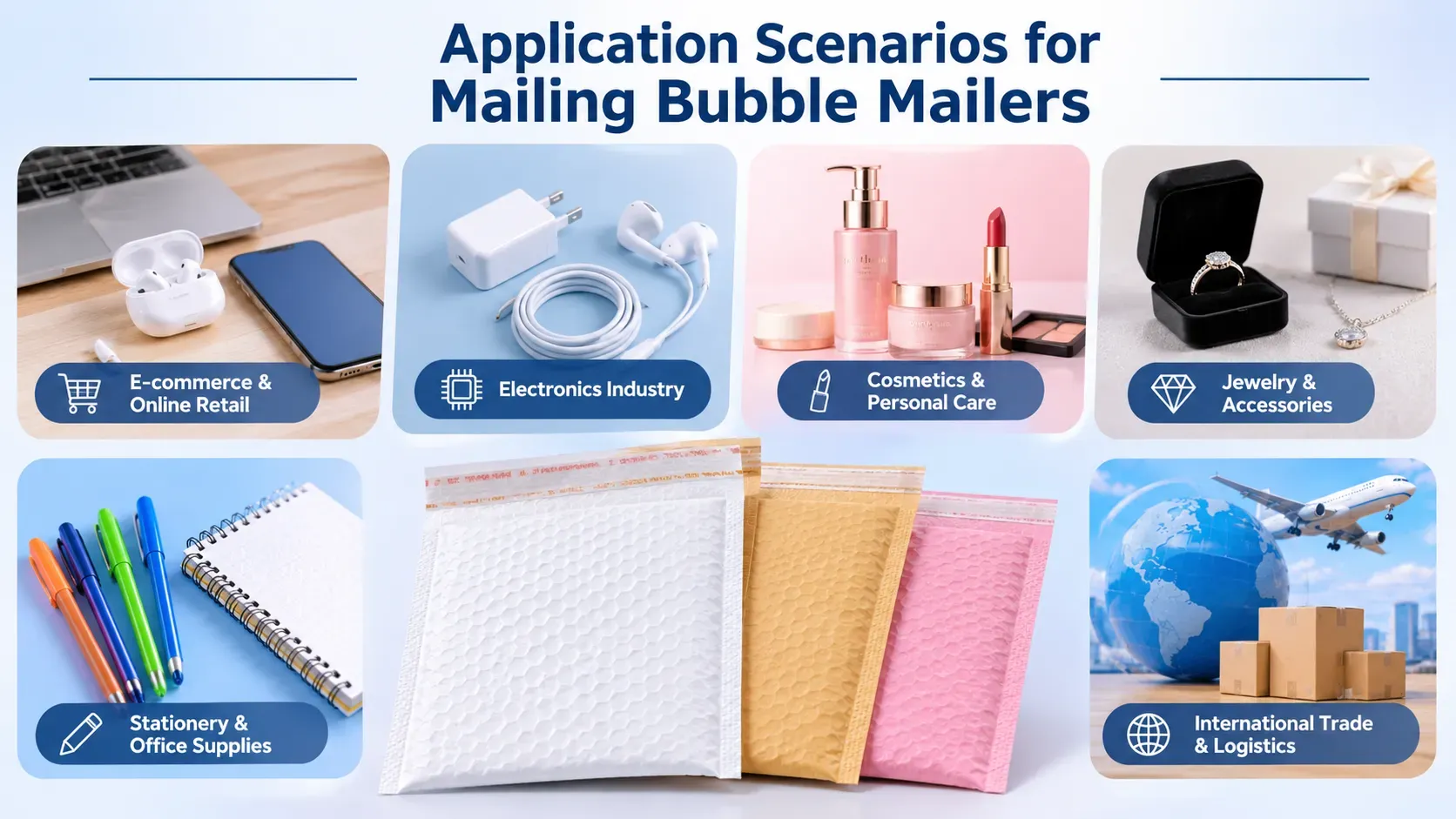
Application Scenarios for Mailing Bubble Mailers
Mailing bubble mailers are widely used across different industries because they combine lightweight packaging with internal cushioning.
E-commerce and Online Retail
Online stores use mailing bubble mailers to ship small consumer products, accessories, and retail orders.
Electronics Industry
They can be used for selected electronic accessories, cables, connectors, and small components that require protection against scratches and minor impacts.
Sensitive electronic products may require additional antistatic or specialized protective packaging.
Cosmetics and Personal Care
Small cosmetic accessories, beauty tools, and selected personal care products can be packed in bubble mailers to reduce surface damage during transportation.
Jewelry and Accessories
Jewelry accessories, watches, fashion items, and small decorative products can benefit from the cushioning structure.
Stationery and Office Supplies
Pens, small stationery products, craft accessories, and other lightweight supplies can be shipped using appropriately sized mailing bubble mailers.
International Trade and Logistics
Exporters, wholesalers, and manufacturers use protective mailers for suitable lightweight products shipped through domestic and international delivery networks.
How to Use Mailing Bubble Mailers Effectively
Correct packaging practices help improve protection and reduce shipping problems.
Step 1: Select the Appropriate Size
Measure the product’s length, width, and thickness. Choose a mailer that provides enough room for easy insertion without excessive empty space.
Step 2: Check Product Compatibility
Determine whether the product requires additional protection. Fragile, heavy, or sharp-edged products may need extra cushioning or a rigid box.
Step 3: Insert the Product
Place the item carefully inside the mailing bubble mailer. Avoid forcing oversized products into the envelope.
Step 4: Position the Product Correctly
Ensure that the product is surrounded by the cushioning layer as much as possible.
Step 5: Seal the Envelope
Remove the release liner from the adhesive strip and press the flap firmly to create a secure closure.
Step 6: Apply Shipping Information
Attach the shipping label to a clean, flat surface and make sure the barcode and delivery information remain visible.
Following these steps helps businesses use mailing bubble mailers more effectively throughout their fulfillment operations.
Storage Method
Proper storage helps maintain the quality and performance of mailing bubble mailers before use.
Recommended storage practices include:
- Keep Dry: Store products in a dry environment to protect paper surfaces and adhesive performance.
- Avoid Direct Sunlight: Prolonged exposure to sunlight and heat may affect plastic materials and adhesive properties.
- Maintain Suitable Temperature: Avoid excessive heat or extreme temperature fluctuations.
- Store Flat: Keep empty mailers flat to prevent unnecessary deformation.
- Protect Against Dust: Use clean storage areas to prevent contamination.
- Avoid Heavy Pressure: Do not place excessive weight on stacked mailers, as this may deform the internal bubble structure.
For large-volume orders, manufacturers should provide appropriate packaging to protect mailing bubble mailers during warehousing and transportation.
How to Dispose of Mailing Bubble Mailers
The disposal method depends on the materials used in the mailer.
Different constructions require different waste-management approaches.
Plastic Bubble Mailers
PE-based bubble mailers may be recyclable through suitable plastic film collection programs. However, acceptance varies by location and local recycling infrastructure.
Kraft Paper Bubble Mailers
Some kraft paper bubble mailers contain a laminated or bonded plastic bubble layer. These mixed-material structures may not be accepted in ordinary paper recycling streams.
Paper Padded Mailers
Mailers made entirely from paper-based materials may be recyclable through paper recycling programs, depending on their adhesive and construction.
Reusable Mailers
Clean and undamaged mailers may sometimes be reused for additional shipments.
Businesses should check local recycling instructions and the manufacturer’s material specifications before disposal. A recyclable claim should be supported by the actual product construction and applicable recycling infrastructure.
Choosing Mailing Bubble Mailers
Selecting the right mailing bubble mailers requires consideration of several factors.
1. Material Selection
Choose between PE bubble mailers, kraft paper bubble mailers, and other padded mailer structures according to product requirements and sustainability objectives.
2. Size and Dimensions
Select appropriate dimensions based on the product’s length, width, and thickness. Proper sizing helps avoid unnecessary packaging space.
3. Bubble Thickness
Different bubble structures provide different cushioning characteristics. Select suitable bubble specifications according to product fragility and shipping conditions.
4. Outer Film Thickness
The outer layer should provide sufficient strength for normal packing, handling, and transportation requirements.
5. Adhesive Quality
A reliable self-sealing closure helps keep products securely packed throughout the delivery process.
6. Printing and Branding
Customized mailing bubble mailers can feature company logos, brand colors, promotional graphics, and other printing elements.
7. Manufacturer and Supplier Reliability
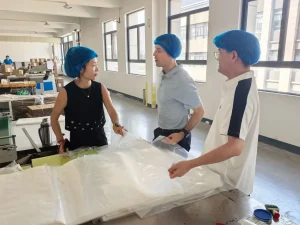
Choose an experienced packaging manufacturer that can provide consistent material quality, customized production, clear specifications, and reliable quality inspection.
8. Minimum Order Quantity and Pricing
Compare minimum order quantities, material specifications, printing requirements, production lead times, and shipping costs before placing bulk orders.
Working directly with a professional mailing bubble mailers manufacturer can help businesses develop packaging solutions that match their product and commercial requirements.
Conclusion
Mailing bubble mailers are practical protective packaging solutions for businesses that ship lightweight products requiring additional cushioning. Their combination of flexible outer materials, internal air bubble structures, and convenient self-sealing closures makes them suitable for e-commerce, retail, electronics accessories, cosmetics, stationery, and other industries.
From material selection and bubble thickness to dimensions, printing, and adhesive performance, every specification can influence the final packaging result.
For wholesalers, retailers, and international buyers, choosing the right mailing bubble mailers manufacturer is essential for achieving consistent quality, efficient packaging, and competitive purchasing costs.
Customized mailing bubble mailers provide businesses with a flexible way to protect products while maintaining a professional brand image throughout the shipping process.
FAQ
1. What Are Mailing Bubble Mailers Used For?
Mailing bubble mailers are used to package and ship lightweight products that require additional cushioning. Common applications include electronics accessories, cosmetics, jewelry, stationery, and small retail products.
2. Are Mailing Bubble Mailers Waterproof?
PE-based mailing bubble mailers generally provide good moisture resistance. However, their protection depends on the outer film, seams, and adhesive closure. They should not automatically be considered completely waterproof.
3. What Materials Are Used to Manufacture Mailing Bubble Mailers?
Common materials include LDPE, other polyethylene films, kraft paper, recycled paper, bubble cushioning film, adhesives, and printing inks.
4. Can Mailing Bubble Mailers Be Customized?
Yes. Manufacturers can customize dimensions, material thickness, bubble specifications, colors, printing designs, logos, and adhesive closure options according to customer requirements.
5. Are Mailing Bubble Mailers Recyclable?
Some PE-based bubble mailers may be recyclable through designated plastic film collection programs. Paper-based and mixed-material mailers have different recycling requirements. Always check the complete material construction and local recycling guidelines.
6. What Is the Difference Between Mailing Bubble Mailers and Poly Mailers?
Mailing bubble mailers contain an internal cushioning layer that provides additional protection against minor impacts and scratches. Standard poly mailers generally have a flat film structure and are more suitable for non-fragile products such as clothing.
7. Can Mailing Bubble Mailers Be Used for International Shipping?
Yes. They are widely used for suitable lightweight products in international shipping. However, buyers should consider transportation conditions, product fragility, customs requirements, and the level of protection needed.
8. How Do I Choose the Right Size of Mailing Bubble Mailers?
Measure the product’s length, width, and thickness, then select a mailer that allows easy insertion and sufficient space for the product. Thicker products generally require larger mailers.
9. Can Manufacturers Supply Wholesale Mailing Bubble Mailers?
Yes. Professional packaging manufacturers can supply mailing bubble mailers in bulk, including standard sizes and customized options. Buyers can request quotations based on material, dimensions, thickness, printing, and order quantity.
10. What Should I Consider When Buying Mailing Bubble Mailers in Bulk?
Important factors include material quality, bubble thickness, outer film strength, adhesive performance, customization capabilities, minimum order quantity, production lead time, and quality control standards.