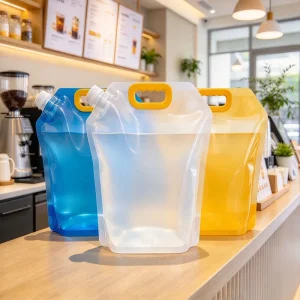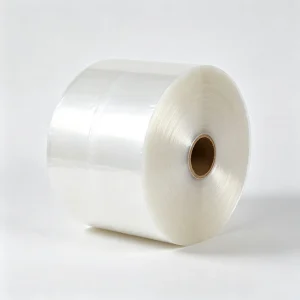
Plastic spout pouches have become an increasingly popular flexible packaging solution across various industries. Combining lightweight materials, convenient dispensing, reliable sealing, and customizable designs, these pouches offer an alternative to traditional plastic bottles, rigid containers, and other liquid packaging formats.
From beverages and baby food to household cleaning products and personal care items, plastic spout pouches provide practical packaging solutions for manufacturers, distributors, retailers, and private-label brands.
For businesses looking for cost-effective and flexible packaging, understanding the applications of plastic spout pouches can help identify the right packaging structure, material combination, spout design, and production specifications.
In this article, we explore 10 popular applications of plastic spout pouches in different industries and explain why they are increasingly used in modern packaging.
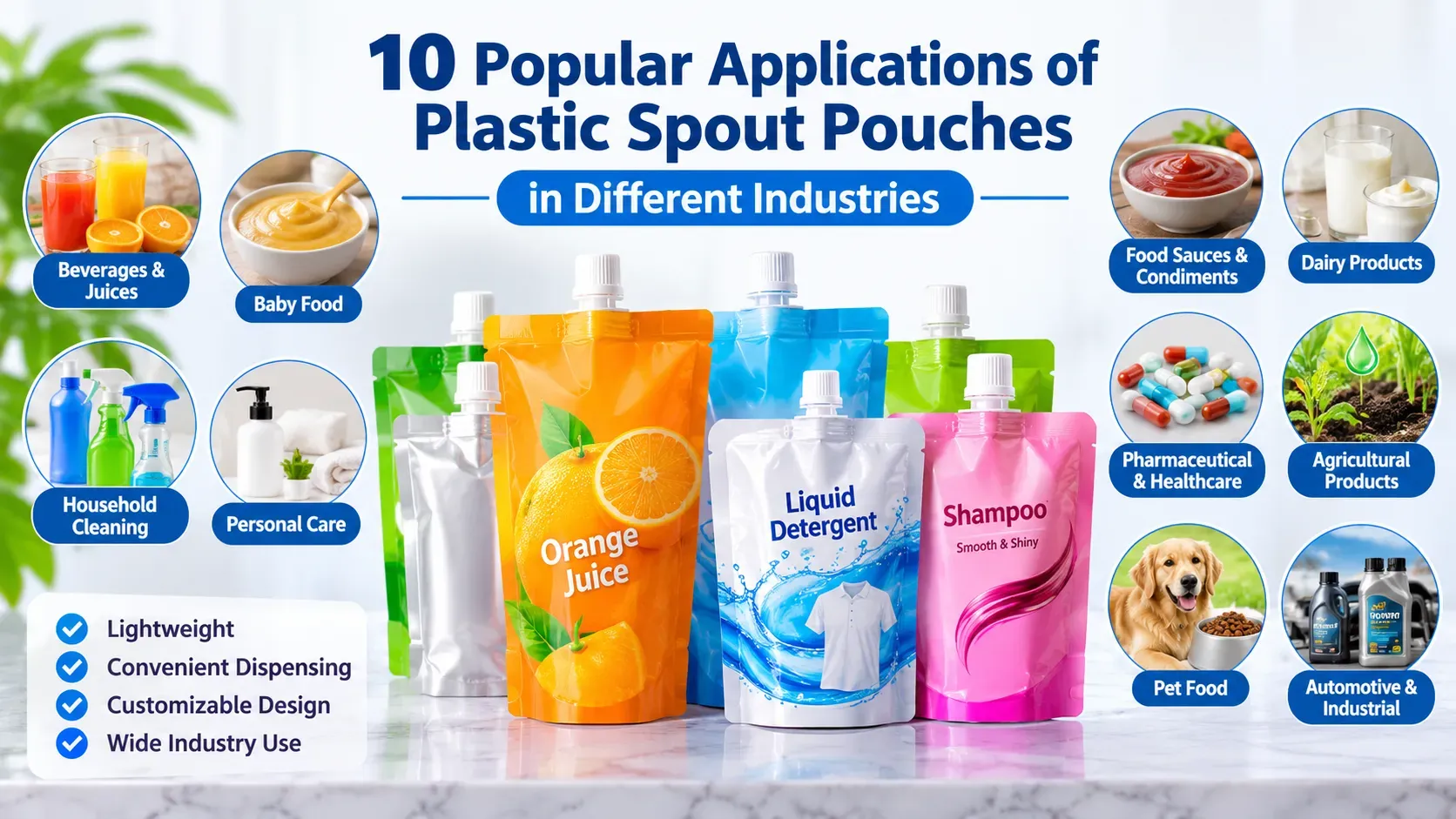
1. Beverage and Juice Packaging
One of the most common applications of plastic spout pouches is beverage packaging. Juice, fruit drinks, smoothies, flavored water, and other liquid refreshments can be packaged in flexible pouches with convenient dispensing spouts.
Compared with traditional rigid bottles, spout pouches can offer several advantages:
- Lightweight construction for easier transportation.
- Convenient drinking and pouring through the spout.
- Customizable pouch sizes and shapes.
- Flexible packaging designs for different beverage brands.
- Reduced storage space when empty.
Manufacturers can choose laminated structures such as PET/PE, PET/NY/PE, or other food-contact-suitable combinations according to product requirements.
For beverage brands, custom printing, transparent windows, different spout diameters, and resealable closures can help improve product presentation and consumer convenience.
2. Baby Food and Infant Nutrition Packaging
Baby food is another important application for plastic spout pouches. Purees, fruit blends, yogurt-based products, and other suitable semi-liquid foods are frequently packaged in pouches with spouts.
The spout design allows parents to dispense food conveniently while helping reduce direct contact with the product.
Key packaging considerations include:
- Food-contact-compliant packaging materials.
- Reliable heat sealing and leak resistance.
- Appropriate spout size for controlled dispensing.
- Materials suitable for the product’s filling and storage conditions.
- Compatibility with applicable food safety regulations.
For products requiring hot filling, pasteurization, or sterilization, manufacturers must select materials and pouch structures specifically validated for those processing conditions.
Baby food brands can also customize pouch shapes, printing designs, capacities, and closure systems to create distinctive retail packaging.
3. Liquid Detergent and Laundry Products
Plastic spout pouches are widely suitable for liquid household cleaning products, including laundry detergent, fabric softener, dishwashing liquid, and concentrated cleaning solutions.
Many brands use spout pouches as refill packaging because they allow consumers to pour liquids into reusable bottles or dispensing containers.
Their main advantages include:
- Convenient pouring and controlled dispensing.
- Flexible capacities for household and commercial use.
- Customizable spout sizes and positions.
- Lightweight packaging compared with many rigid containers.
- Suitable structures for different detergent formulations.
For detergent packaging, material compatibility is particularly important. The selected laminated film should withstand the chemical composition of the product and maintain sealing performance during storage and transportation.
4. Shampoo and Personal Care Products
The personal care industry also uses plastic spout pouches for liquid products such as shampoo, conditioner, body wash, hand soap, and liquid skincare products.
Spout pouches are especially useful for refill packaging, allowing customers to replenish existing bottles rather than purchase a new rigid container each time.
Common customization options include:
- Different pouch capacities.
- Flat or stand-up pouch designs.
- Corner spouts or top-center spouts.
- Resealable screw caps.
- Customized brand printing.
- Glossy, matte, or other surface finishes.
For personal care manufacturers, flexible packaging can help create convenient refill products while supporting consistent brand presentation.
5. Food Sauces and Condiments
Plastic spout pouches are suitable for packaging various liquid and semi-liquid food products, including ketchup, mayonnaise, salad dressing, cooking sauces, chili sauce, and seasoning liquids.
Compared with conventional bottles and jars, spout pouches can provide more flexible dispensing and convenient storage.
Popular applications include:
- Tomato ketchup.
- Barbecue sauce.
- Salad dressing.
- Soy-based sauces.
- Cooking oil and liquid seasonings.
- Fruit sauces and purees.
For viscous products, the spout diameter should be selected according to the product’s thickness and dispensing requirements.
Food-grade laminated materials, appropriate barrier properties, and reliable sealing are important considerations when designing sauce packaging.
6. Dairy Products and Yogurt Packaging
Plastic spout pouches can also be used for certain dairy products, including drinking yogurt, milk-based beverages, liquid dairy desserts, and other suitable formulations.
Their flexible construction and resealable closures can provide convenient packaging for single-serving and family-size products.
Important factors when choosing dairy packaging include:
- Oxygen and moisture barrier requirements.
- Compatibility with dairy ingredients.
- Protection against contamination.
- Refrigerated or ambient storage requirements.
- Compatibility with filling and processing equipment.
For dairy products requiring pasteurization or extended shelf life, packaging materials must be selected and validated according to the specific product and processing conditions.
7. Pharmaceutical and Healthcare Liquid Products
The healthcare industry has specific requirements for liquid packaging. Plastic spout pouches may be used for certain non-sterile liquid products, nutritional preparations, and healthcare-related formulations.
Potential applications include:
- Liquid nutritional supplements.
- Oral nutrition products.
- Certain non-sterile liquid formulations.
- Medical nutrition products.
- Healthcare-related liquid products.
Packaging manufacturers must pay close attention to material compatibility, sealing integrity, regulatory requirements, and product protection.
For pharmaceutical applications, packaging specifications should be developed in cooperation with the product manufacturer and evaluated according to the relevant regulatory and quality standards.
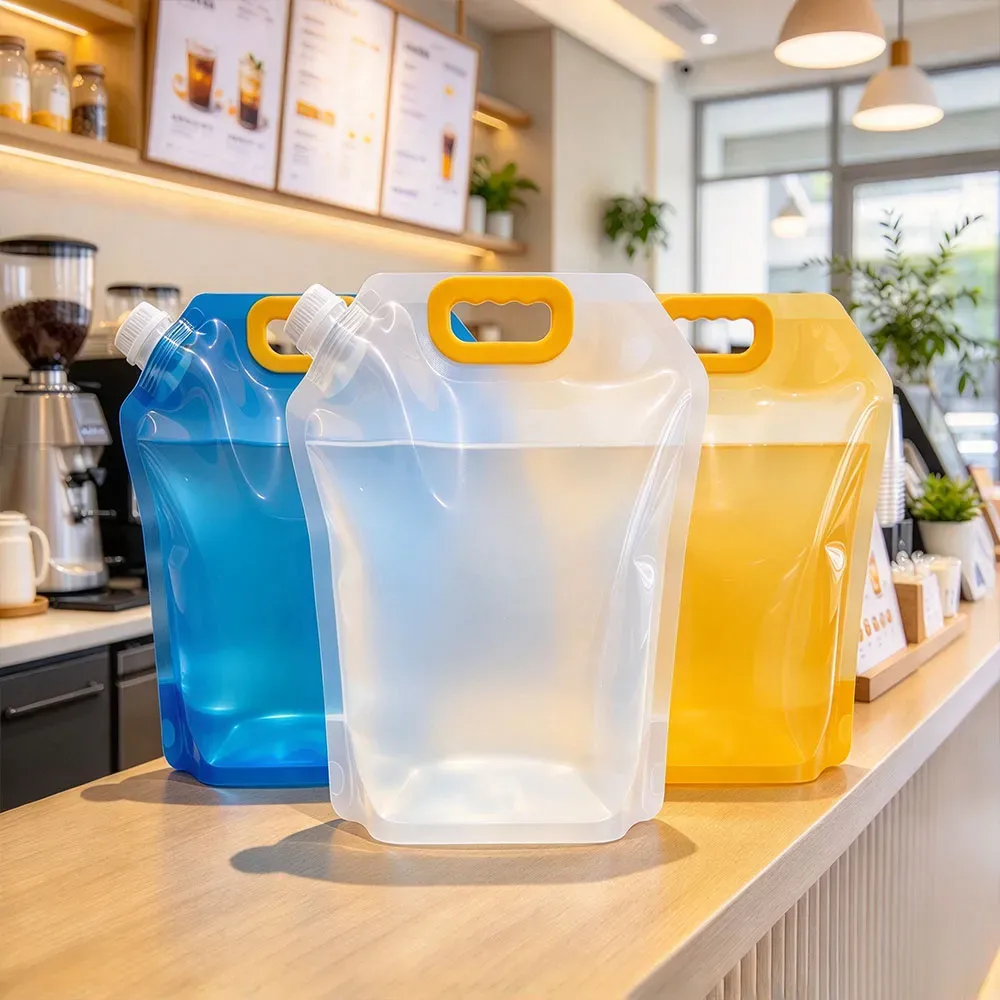
8. Agricultural and Gardening Products
Plastic spout pouches can also serve the agricultural and gardening industries. Certain liquid fertilizers, plant nutrients, soil conditioners, and gardening solutions can be packaged in flexible pouches with dispensing spouts.
These packages can provide practical benefits for agricultural distributors and gardening product brands.
Typical applications include:
- Liquid fertilizers.
- Plant nutrient solutions.
- Gardening concentrates.
- Lawn care products.
- Certain agricultural treatment solutions.
For these applications, chemical resistance is a key consideration. Packaging materials should be tested against the specific formulation to avoid degradation, leakage, or changes in packaging performance.
Custom capacities and reinforced pouch structures can also be developed for different distribution requirements.
9. Pet Food and Pet Care Products
The pet food industry has increasing demand for convenient packaging formats. Plastic spout pouches can be used for suitable semi-liquid pet foods, gravy-based meals, nutritional supplements, and liquid pet care products.
Common applications include:
- Wet pet food with gravy.
- Liquid pet nutritional supplements.
- Pet food purees.
- Pet hydration products.
- Certain liquid grooming products.
The resealable spout allows pet owners to dispense an appropriate amount of product while keeping the remaining contents inside the pouch.
For pet food applications, manufacturers should consider food-contact material suitability, barrier performance, filling conditions, and package durability.
10. Automotive and Industrial Liquid Products
Beyond food and consumer goods, plastic spout pouches can also be considered for selected automotive and industrial liquid products.
Examples include:
- Automotive cleaning solutions.
- Certain lubricating products.
- Industrial cleaning liquids.
- Selected maintenance chemicals.
- Specialty liquid concentrates.
These applications often require stronger material structures and careful chemical compatibility testing.
The pouch material, sealing strength, spout construction, and cap design should be selected according to the liquid’s viscosity, chemical composition, storage environment, and transportation conditions.
How to Choose the Right Plastic Spout Pouch for Different Applications
Different industries have different packaging requirements. Before ordering custom plastic spout pouches, buyers should evaluate several important factors.
1. Material Structure
Common material options include:
| Material Structure | Main Characteristics | Typical Applications |
|---|---|---|
| PET/PE | Good printability and flexible sealing layer | Juice, sauces, personal care |
| PET/NY/PE | Improved puncture resistance and mechanical strength | Liquid food, household products |
| PET/AL/PE | Strong light, moisture, and oxygen barrier | Sensitive food and specialty liquids |
| PET/VMPET/PE | Improved barrier performance with a metallized layer | Snacks, selected liquid products |
| PE-based structures | Flexible construction and potential mono-material designs | Selected refill and liquid packaging |
The final structure should be selected according to product compatibility, barrier requirements, filling temperature, and applicable recycling goals.
2. Spout Size and Position
The spout plays an important role in dispensing performance.
Buyers should consider:
- Spout diameter.
- Spout position.
- Cap design.
- Product viscosity.
- Required dispensing speed.
- Consumer usage habits.
For thick sauces or purees, a wider spout may be more suitable. For thinner liquids, a smaller opening may provide better dispensing control.
3. Pouch Capacity and Shape
Plastic spout pouches can be manufactured in different sizes and shapes to meet different market requirements.
Common options include small single-serving pouches, medium refill pouches, and large-capacity packaging.
Stand-up designs are popular for retail display, while other pouch configurations can be developed according to filling equipment and product requirements.
4. Printing and Customization
Custom printing helps brands improve product recognition and communicate product information.
Available options may include:
- Customized logos and brand graphics.
- Full-color rotogravure printing.
- Digital printing for suitable production requirements.
- Matte or glossy finishes.
- Transparent windows.
- Customized pouch shapes and sizes.
Working with an experienced packaging manufacturer can help buyers select appropriate printing and material solutions.
Why Work with a Professional Plastic Spout Pouch Manufacturer?
For importers, wholesalers, food manufacturers, and private-label brands, choosing a reliable packaging manufacturer is essential.
A professional manufacturer should be able to provide:
- Customized pouch sizes and material structures.
- Different spout types and closure options.
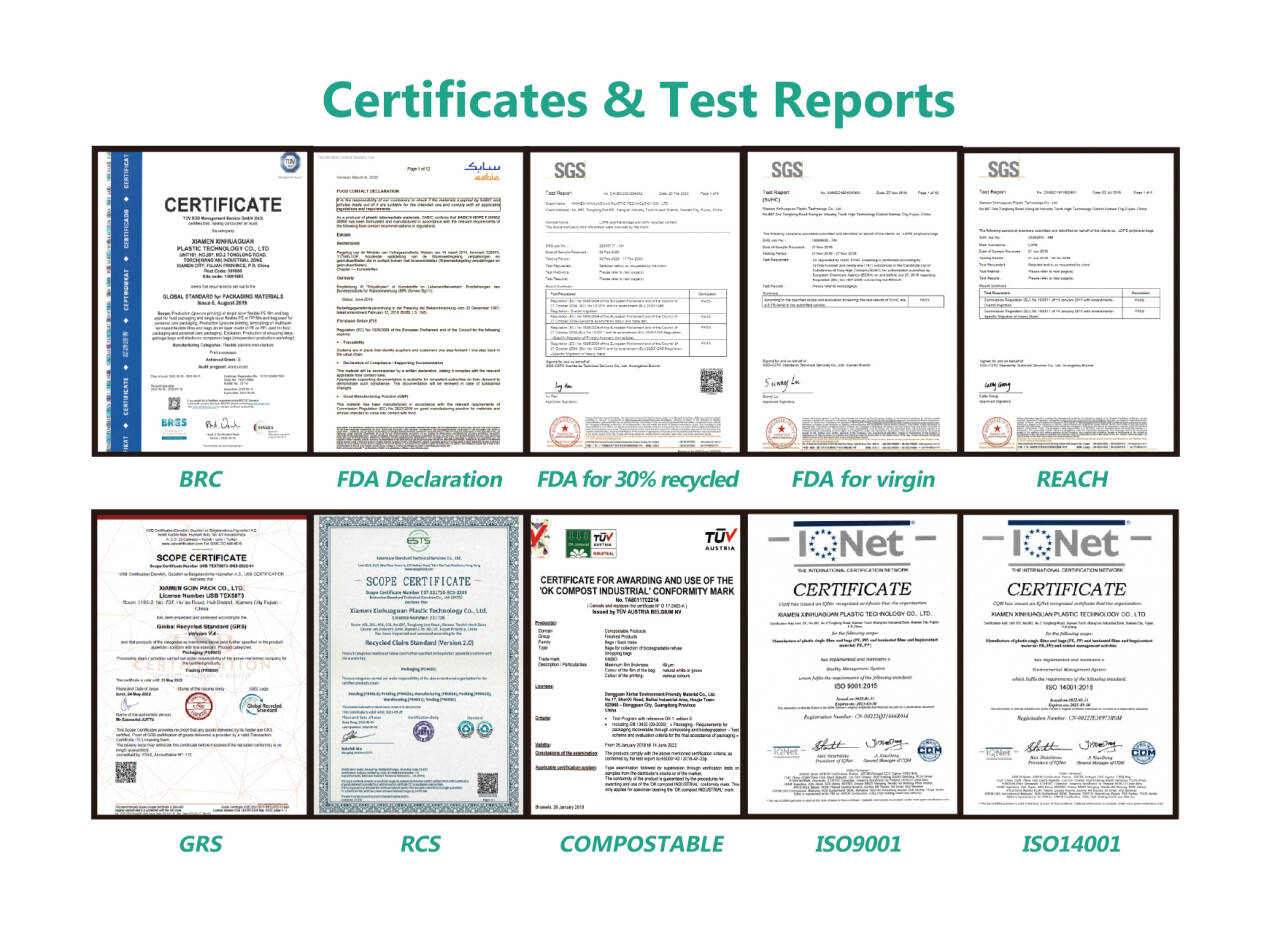
- Food-contact material documentation where applicable.
- Consistent printing quality.
- Reliable heat sealing and quality inspection.
- Customized production and bulk order support.
Before placing a large order, buyers should request samples, confirm material specifications, and conduct compatibility and leakage tests with their actual products.
Conclusion
Plastic spout pouches have become a versatile packaging solution across beverage, food, personal care, household cleaning, healthcare, agricultural, pet food, and industrial markets.
Their lightweight construction, convenient dispensing, resealable closures, and flexible customization options make them suitable for many liquid and semi-liquid products.
Whether you are looking for juice pouches, baby food packaging, detergent refill pouches, or custom liquid packaging, choosing the right material structure, spout design, and pouch specifications is essential.
Working with an experienced plastic spout pouch manufacturer can help your business develop packaging that meets product requirements, improves user convenience, and supports long-term brand development.
Frequently Asked Questions (FAQs)
1. What are plastic spout pouches commonly used for?
They are commonly used for juice, beverages, baby food, sauces, shampoo, liquid detergent, personal care products, and selected industrial liquids.
2. Are plastic spout pouches suitable for hot filling?
Some plastic spout pouches can be designed for hot filling. However, the laminated structure, spout, cap, and sealing system must be specifically validated for the required filling temperature and processing conditions.
3. Can plastic spout pouches be customized?
Yes. Manufacturers can customize pouch dimensions, capacities, material structures, printing designs, spout positions, spout diameters, and closure types.
4. What materials are used for plastic spout pouches?
Common options include PET, PE, PA, and aluminum foil or metallized barrier layers in laminated structures. The final combination depends on the product and packaging requirements.
5. Are plastic spout pouches recyclable?
Some plastic spout pouches can be designed with recyclable mono-material structures. However, actual recyclability depends on the film composition, spout and cap materials, local recycling infrastructure, and applicable standards.
6. How do I choose a reliable plastic spout pouch supplier?
Look for a manufacturer with customization capabilities, stable production quality, suitable material documentation, product testing procedures, and experience serving international B2B customers.